
Battery Backup Module Embedded: The SuperCap Power Solution Developers Have Been Waiting For
RFOXiA SuperCapacitor Battery and Programmer Kit
Why Your Battery Backup Module Embedded in Your Project Defines Everything
Every serious hardware developer knows the feeling. You're mid-session — firmware is uploading, sensors are streaming, the system is finally behaving exactly as it should — and then the power dies. Your lithium battery gave out, your USB power bank cut off due to low-draw protection, or your bench supply cable snagged on something. The session is over. The momentum is gone.
For embedded developers, drone builders, field researchers, and IoT engineers, power is not a secondary concern. It is the foundation everything else is built on. A weak or unreliable battery backup module embedded into your development stack doesn't just cause inconvenience — it costs time, corrupts firmware flashes, and in field deployments, it can mean the loss of irreplaceable data.
RFOXiA built the MultiNav Pro+ Power/Program Kit to solve this problem completely — not with a bandage, but with a genuinely different approach to embedded power.
What Is the MultiNav Pro+ Power/Program Kit?
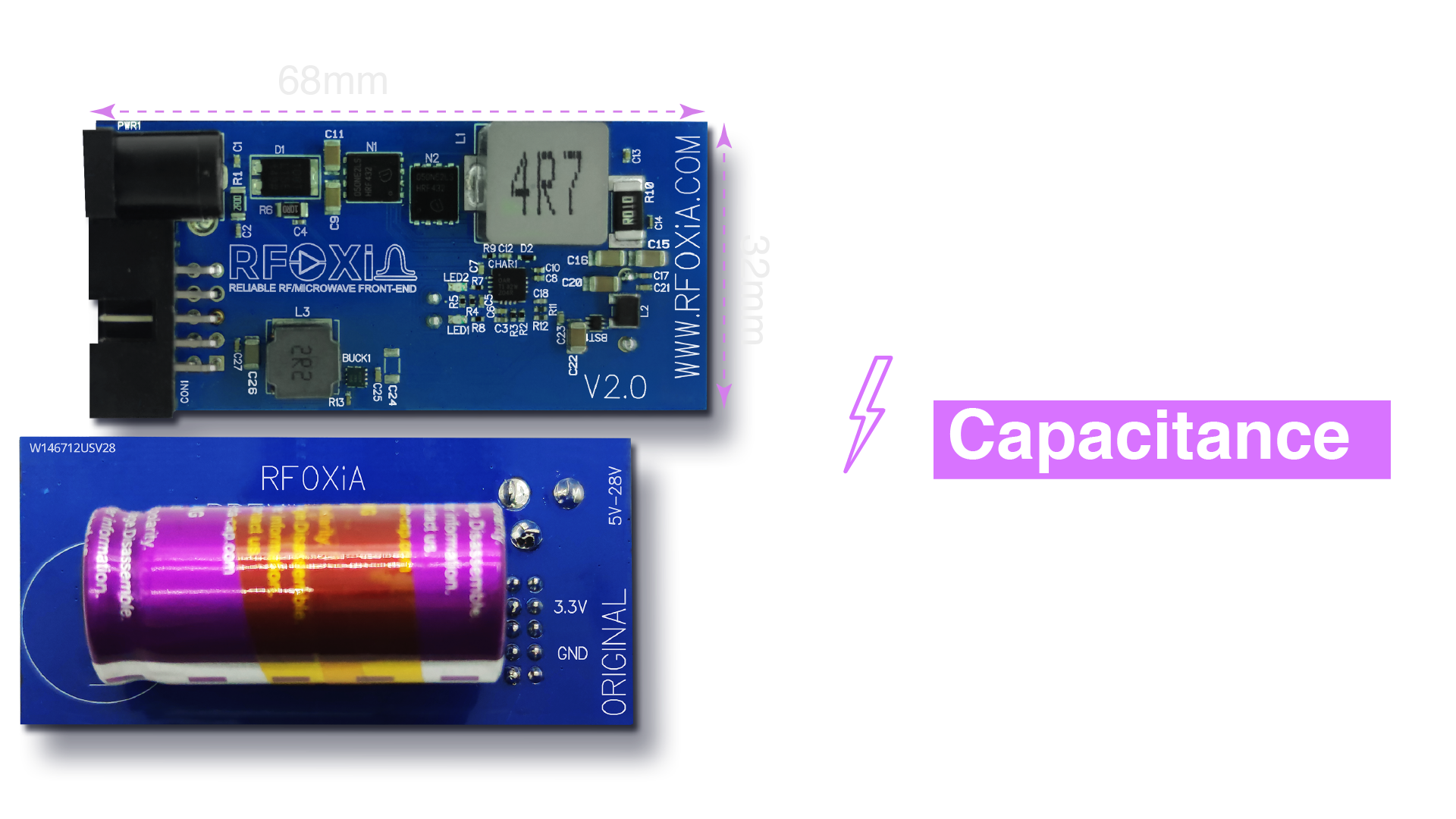
The MultiNav Pro+ Power/Program Kit is RFOXiA's dedicated power and programming companion for the MultiNav Pro+ BLE Module — and the entire MultiNav Pro+ module ecosystem. It is engineered to solve the two most persistent pain points in embedded development: reliable, long-duration power, and seamless firmware flashing without external tooling.
This is not a generic power bank. It is a purpose-built battery backup module embedded into the RFOXiA hardware ecosystem, designed specifically for the power profiles, connectivity requirements, and development workflows of professional makers, drone engineers, and IoT researchers.
At its core, the kit delivers:
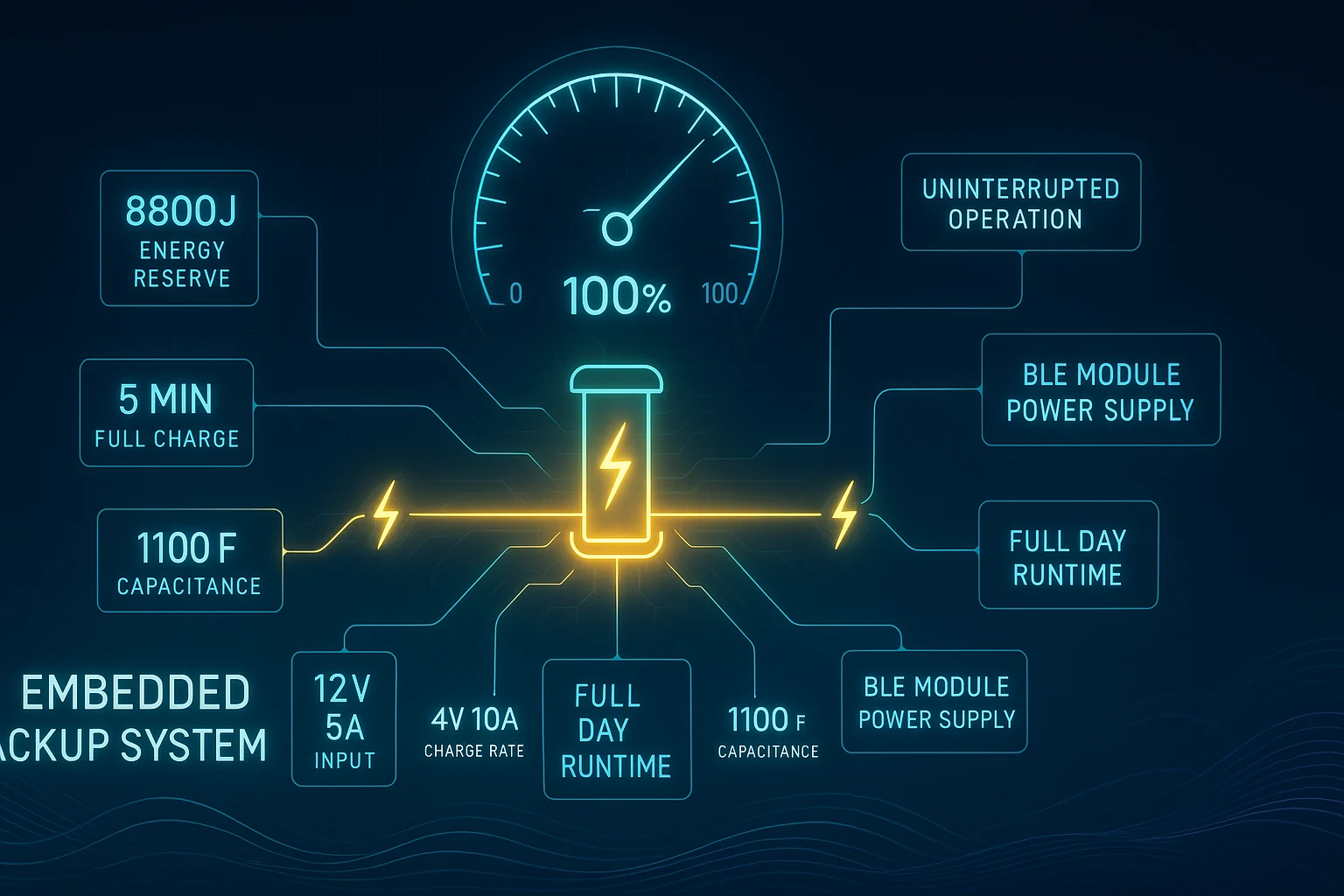
- A 1100F supercapacitor battery system storing 8800 Joules
- A full charge cycle in under 5 minutes
- 24 hours of continuous runtime for the complete MultiNav Pro+ module stack
- An integrated STLink programmer for direct BLE module firmware development
- A complete cable kit for instant system integration
All of that, in one compact package, priced at $119.
The Supercapacitor Difference: Why This Battery Backup Module Embedded Approach Is Different
Most developers think of power storage in terms of lithium-ion chemistry — LiPo packs, 18650 cells, USB power banks. These are mature, proven technologies. But they come with limitations that are deeply frustrating in development contexts.
Lithium batteries:
- Degrade with every charge cycle
- Require protection circuits that can fail or cut power unexpectedly
- Take 1-3 hours to recharge
- Have limited peak current delivery without voltage sag
- Carry thermal and safety concerns in enclosed enclosures or flight platforms
Supercapacitors operate on electrostatic charge storage rather than chemical reactions. This fundamental difference produces characteristics that are transformative for a battery backup module embedded in professional development hardware:
Near-zero degradation. Supercapacitors tolerate hundreds of thousands of charge-discharge cycles with minimal capacity loss. A lithium battery might retain 80% capacity after 500 cycles. A supercapacitor retains nearly full capacity after 100,000+ cycles.
Extreme charge speed. The RFOXiA 1100F system charges fully from the included 12V 5A adapter in under 5 minutes. That is 5 minutes of downtime instead of 90. For a developer running multiple field sessions per day, this difference is enormous.
High peak current without voltage sag. Supercapacitors deliver current without the internal resistance-driven voltage drop that lithium cells experience under high loads. Your RF amplifiers, GNSS receivers, and sensor arrays get clean, stable power at the levels they need.
No chemistry, no thermal runaway. Supercapacitors do not carry the same fire and explosion risk associated with lithium chemistry under stress. For drone-mounted or enclosed deployments, this is a meaningful safety advantage.
The RFOXiA Power/Program Kit's 1100F capacitor system stores 8800 Joules — enough to power the entire MultiNav Pro+ module stack through a full working day of continuous operation.
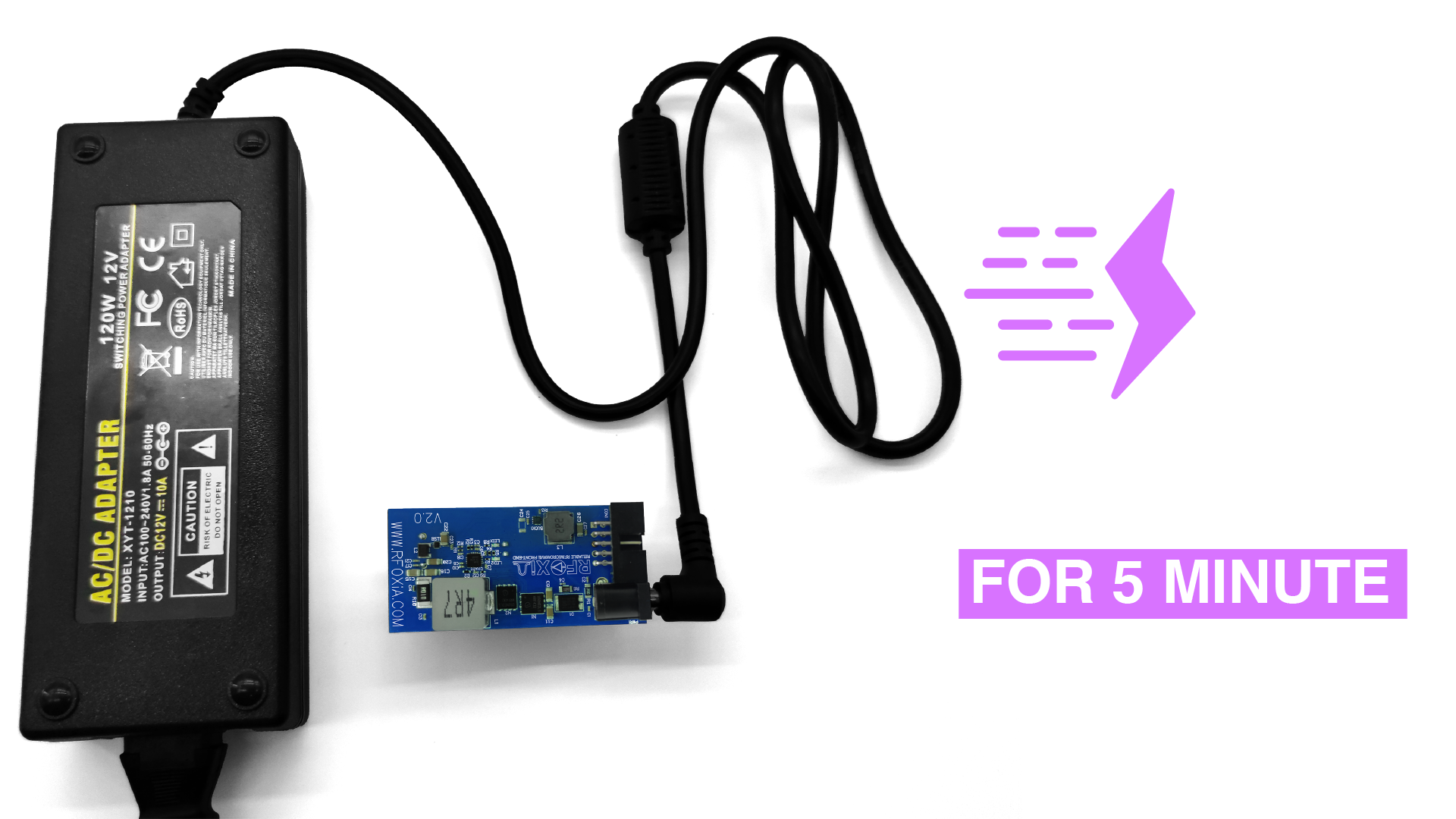
5-Minute Charge. 24-Hour Runtime. Here's the Math.
Let's be precise about what 8800 Joules means in practice.
The MultiNav Pro+ BLE Module, GNSS Module, and Sensors Module running simultaneously draw a combined average current appropriate for their operating profiles. The 1100F supercapacitor system, charged at 4V 10A through the included high-power adapter, stores sufficient energy to sustain all three modules through a complete day of field deployment, data streaming, or development sessions.
For developers running the RFOXiA data network — where the Sensors Module streams verified environmental data continuously to earn daily rewards — this runtime characteristic is critical. You need your node online, uninterrupted, without requiring attention. The Power/Program Kit delivers that.
For drone operators using the BLE Module for long-range control via the RFOXiA Connect app, continuous, reliable power directly affects mission safety. A power failure at range is not an inconvenience — it can mean a lost aircraft. The supercapacitor system's consistent discharge curve gives your system predictable behavior throughout its operational window.
Full-Day Power for the Entire MultiNav Pro+ Ecosystem
One of the decisions RFOXiA made in designing this kit was to ensure it powers the entire module stack — not just the BLE module alone.
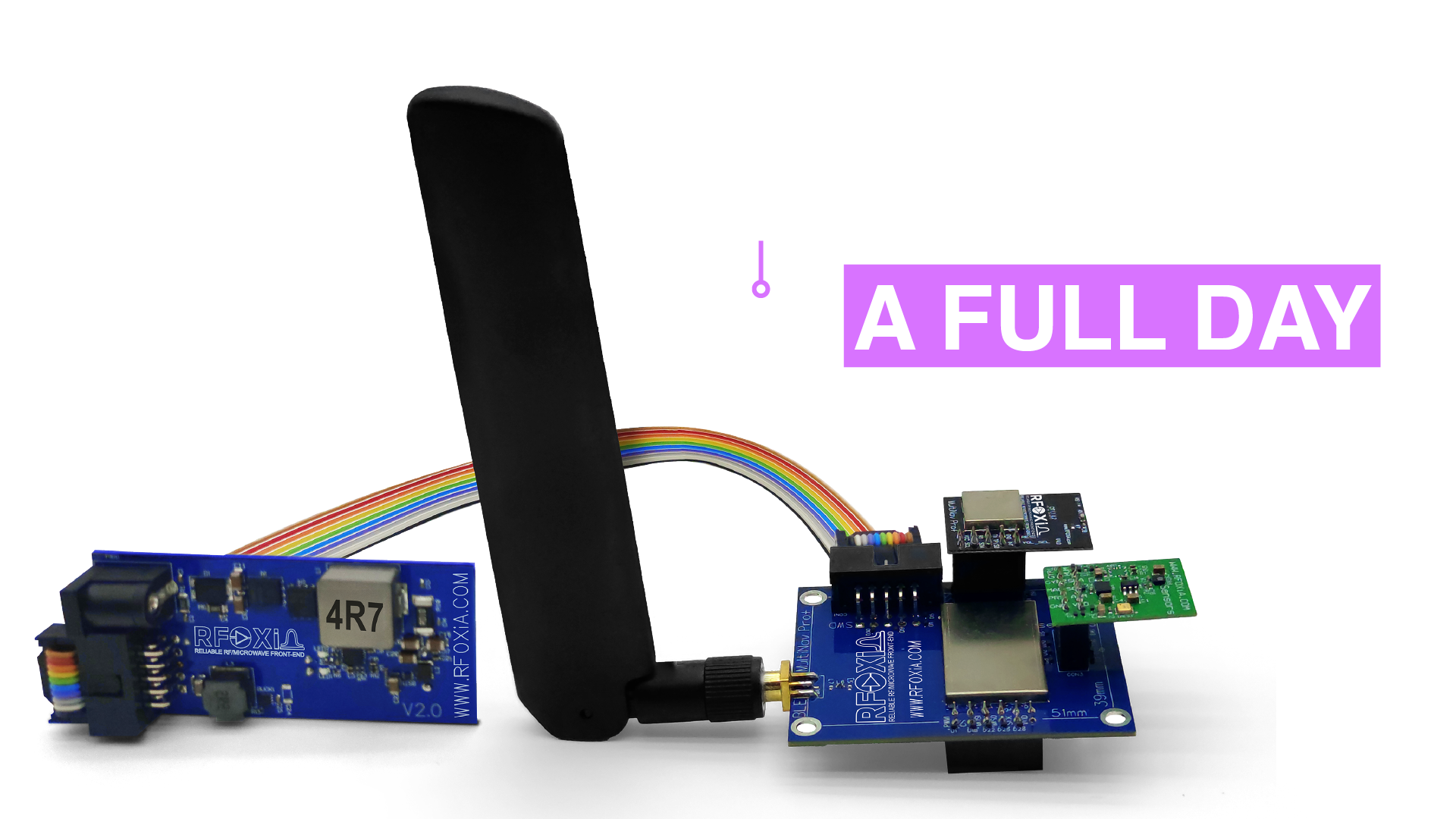
The MultiNav Pro+ ecosystem consists of:
- BLE Module (MultiNav Pro+): 5km ground-to-ground, 15-20km man-to-drone, 50km drone-to-drone range. FCC certified.
- GNSS Module: 1.5m accuracy, 18Hz fix rate. Ideal for fast-moving platforms like drones.
- Sensors Module: Temperature, humidity, air pressure, air quality, accelerometer, gyroscope, magnetometer — all seven sensors in one compact board.
When you are running a complete field deployment — BLE communication, precision GPS tracking, and environmental data streaming simultaneously — the Power/Program Kit handles the load. No calculations required. No compromises on which modules you leave unpowered to extend your runtime.
This is what separates the RFOXiA RFOXiA SuperCapacitor Battery and Programmer Kit from generic embedded power solutions. It was designed alongside the hardware it powers.
The STLink Programmer: Your Development Workflow, Integrated
Power is only half of the story. The second major function of this kit is embedded firmware development.
The MultiNav Pro+ BLE Module runs on an STM32WB07-based platform. Professional firmware development on this chip requires an STLink-compatible programmer for flashing, debugging, and live register inspection. Most developers sourcing this capability independently need to purchase a standalone STLink programmer — and then manage the cabling, compatibility, and integration themselves.
The RFOXiA Power/Program Kit includes an integrated STLink programmer built directly into the kit.
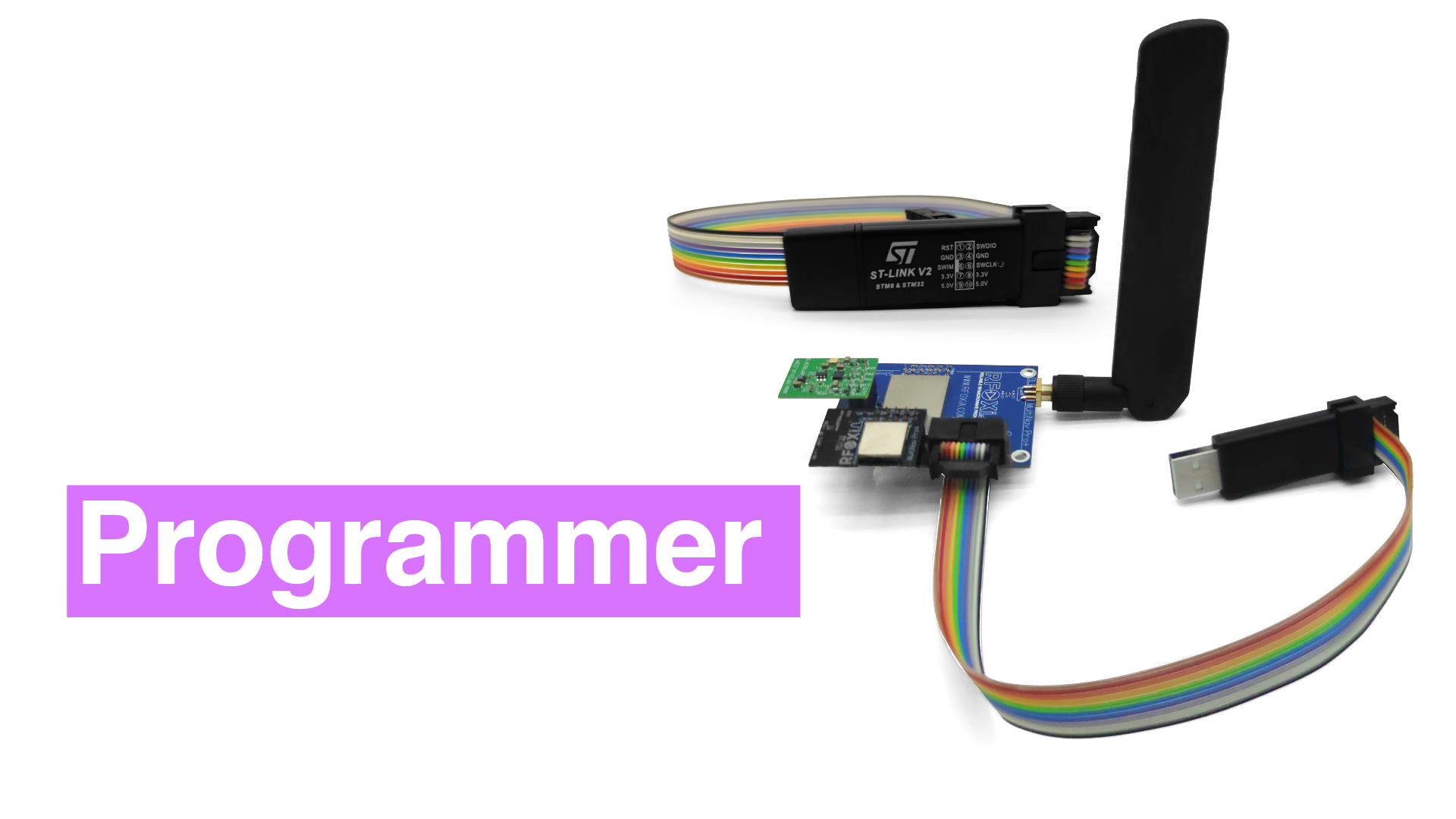
This integration matters for several reasons:
No sourcing friction. Everything you need to flash and debug the BLE module is included in one purchase. You open the kit, connect the cables, and you are programming.
Compatibility guaranteed. A third-party STLink programmer may or may not work cleanly with the MultiNav Pro+ module's pinout and interface. The RFOXiA-integrated programmer is validated against the BLE module's actual hardware.
Workflow continuity. The same device that powers your module also programs it. You are not switching power sources, disconnecting cables, or managing a tangle of separate tools. The kit is a unified bench station for the BLE module.
For developers working with the RFOXiA AI Firmware Builder — which generates production-ready STM32 firmware from plain language descriptions — the STLink programmer is the final link in the chain. You describe your application, the AI generates the firmware, and you flash it directly to your module with the programmer included in this kit.
The BLE module firmware source is also publicly available on GitHub at https://github.com/RFOXiA/MultiNav-Pro-Long-Range-BLE-Module-Firmware-STM32WB07 for developers who prefer to build from source.
Complete Connectivity: No Hunting for Cables
A detail that sounds minor but saves real time: the Power/Program Kit includes every cable required for a complete, connected system.
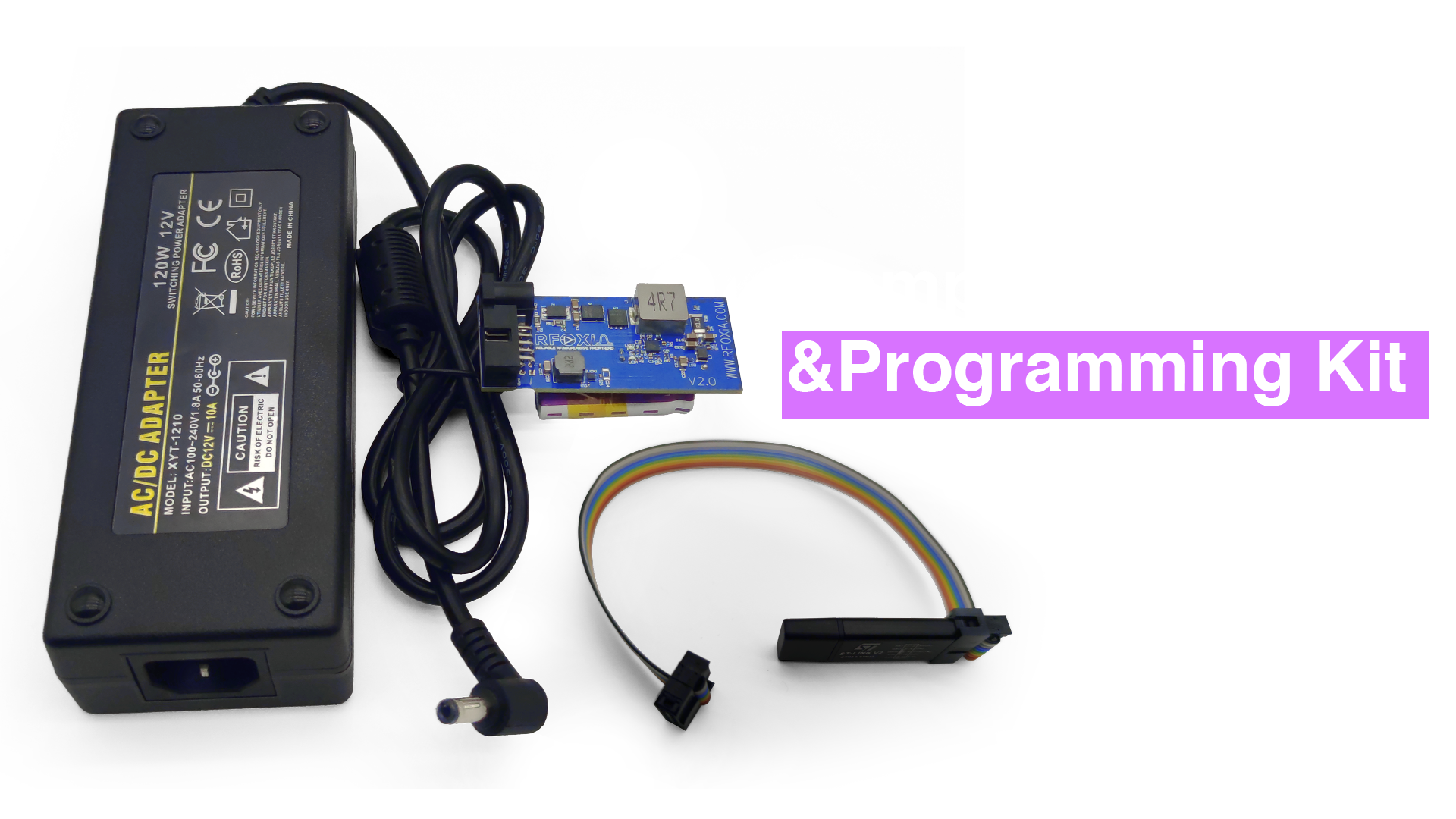
Included in the kit:
- Flat ribbon cables for BLE module to power module connection
- Flat ribbon cables for STLink programmer to BLE module connection
- 12V 5A high-power charging adapter for the supercapacitor system
Every connection point in the system is covered. This is a deliberate decision — developers and makers should not have to spend time hunting down the right gauge, the right connector type, or the right cable length. You receive a complete kit that integrates immediately.
Who Needs a Dedicated Battery Backup Module Embedded in Their Workflow?
The MultiNav Pro+ Power/Program Kit was designed for a specific type of builder — someone who takes their embedded projects seriously and cannot afford the compromises that come with generic power solutions.
Drone Builders and FPV Engineers You need your communication system powered reliably throughout a mission. The supercapacitor system's consistent output and 5-minute recharge means you spend more time flying and less time waiting. Pair this with the BLE module's 20km man-to-drone range for a complete long-range control solution that operates entirely without internet or cellular infrastructure.
IoT and Embedded Systems Developers You need a battery backup module embedded in your development workflow that does not interrupt your flow. Flash firmware, test behavior, iterate — all without the friction of managing power and programmer as separate concerns.
Field Researchers and Environmental Data Operators If you are running the RFOXiA data network — deploying Sensors Modules outdoors to stream verified environmental data and earn daily rewards — you need 24-hour runtime without human intervention. The Power/Program Kit delivers that.
Robotics Engineers Long development sessions with motor drivers, sensor arrays, and communication modules running simultaneously demand stable, high-current power delivery. The supercapacitor's peak current characteristics and stable discharge curve are well-suited to variable robotics loads.
Remote Expedition and Disaster Response Teams The RFOXiA Connect app enables mesh communication between multiple users without any internet connection, using BLE modules as nodes. In a remote deployment, a 5-minute recharge capability is not a convenience — it is operationally critical. This is where the battery backup module embedded approach pays off in ways that traditional battery chemistry simply cannot match.
Technical Specifications
| Specification | Value |
|---|---|
| Supercapacitor Capacitance | 1100F |
| Energy Storage | 8800 Joules |
| Charge Time | Under 5 minutes |
| Runtime (Full Module Stack) | 24 hours |
| Charging Input | 12V 5A (adapter included) |
| Supercapacitor Charge Voltage | 4V at 10A |
| Programmer Interface | STLink (integrated) |
| Target Module | MultiNav Pro+ BLE Module (STM32WB07) |
| Certification | FCC Certified |
| Price | $119 |
How the Power/Program Kit Fits the RFOXiA Ecosystem
RFOXiA is not building individual modules. The vision is a complete vertical ecosystem — hardware, firmware AI, data monetization, and mobile control — integrated so that each piece makes the others more valuable.
The Developer Bundle brings together the BLE Module, GNSS Module, Sensors Module, and Power/Program Kit in one package at $199 after credits. For a developer who wants the complete system immediately, the bundle is the fastest path. But the Power/Program Kit is also available standalone at $119 for builders who already have the modules and need to solve the power and programming problem directly.
Either way, the RFOXiA SuperCapacitor Battery and Programmer Kit is the power layer that makes field deployment, extended sessions, and rapid firmware iteration possible without compromise.
New members who sign up for RFOXiA Club receive a $10 welcome credit applied immediately to their account — redeemable toward any hardware purchase including this kit.
The Honest Case for Supercapacitors in Professional Embedded Hardware
Supercapacitors are not new technology. They have been used in industrial energy harvesting, automotive start-stop systems, and grid stabilization for decades. What is new is their application in professional maker and IoT hardware at accessible prices — which is exactly the gap RFOXiA is occupying.
The question embedded developers should ask is not "why supercapacitors?" — the physics answer that clearly. The question is "why has no one built this into a maker-focused embedded power kit before?"
The answer is the same reason no commodity BLE module reaches 5km ground-to-ground range at $59: it requires intentional engineering, not just component assembly. RFOXiA's approach to the Power/Program Kit is the same philosophy that drives the BLE module — take professional-grade capability, engineer it for the maker and developer market, and price it at a point that makes it accessible.
A battery backup module embedded with supercapacitor technology, STLink programming, and 24-hour runtime at $119 does not exist elsewhere in this form. That is not a marketing claim — it is a consequence of the design decisions RFOXiA has made.
Get Started with the MultiNav Pro+ Power/Program Kit
If you are building with the MultiNav Pro+ ecosystem — or planning to — the Power/Program Kit is the component that makes extended, professional-grade development sessions possible.
5-minute charge. 24-hour runtime. Integrated STLink programmer. Complete cable kit. FCC certified.
Visit the RFOXiA SuperCapacitor Battery and Programmer Kit product page to order, or join RFOXiA Club to claim your $10 welcome credit and explore the full Developer Bundle.
Your battery backup module embedded in your workflow should be the last thing you think about — because it never fails. That is exactly what this kit is built to deliver.
Written by: Moamen Mohamed LinkedIn