
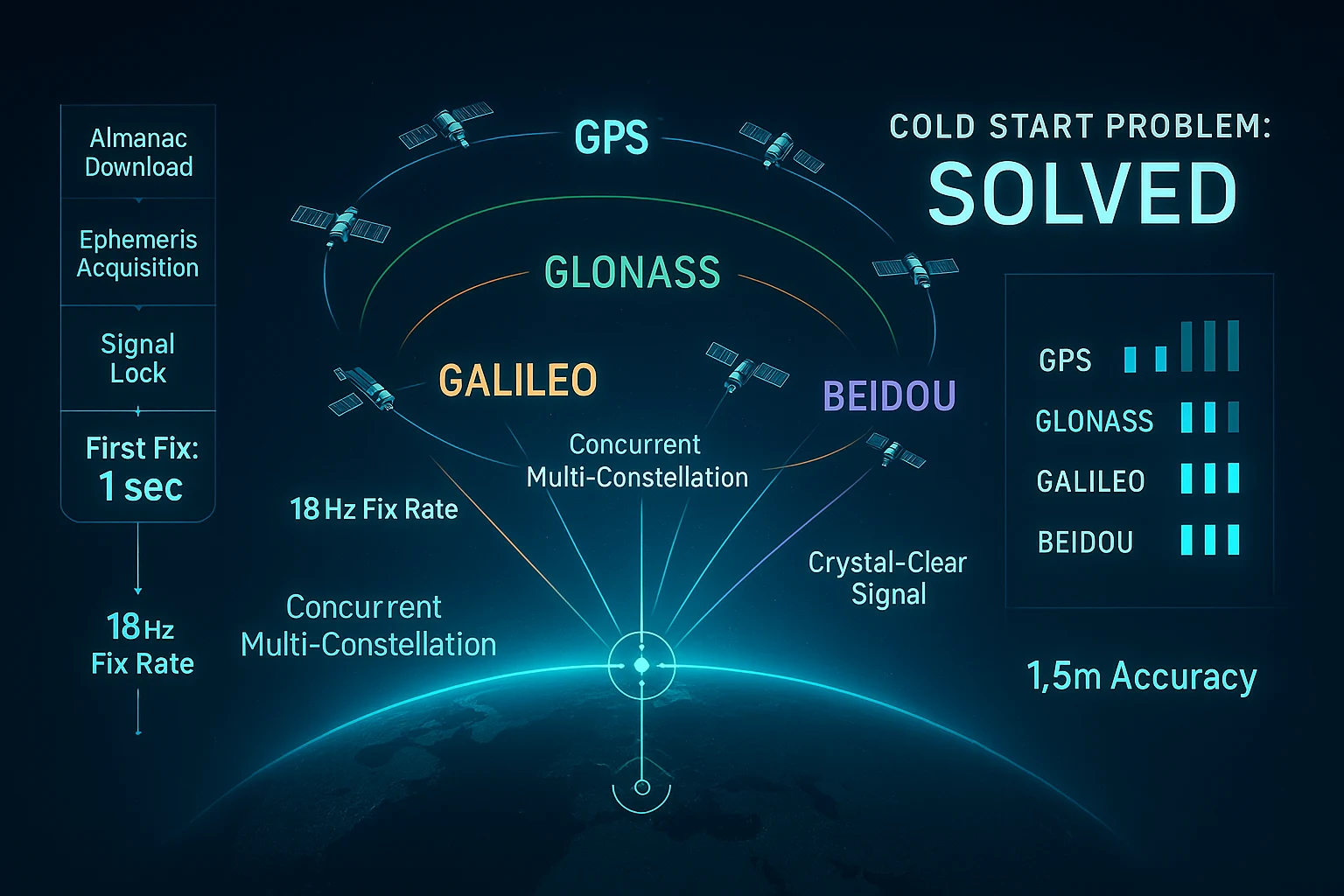
GNSS Cold Start Problem Solution: How to Fix Slow First Fix and Get 1-Second Lock Every Time
The GNSS Cold Start Problem Solution Every Builder Has Been Searching For
If you have ever powered up a GPS or GNSS module on a drone, a robot, a field sensor, or any embedded project and watched the seconds tick by while waiting for a position lock, you already know the frustration. That agonizing wait — sometimes 30 seconds, sometimes two full minutes, sometimes longer — is not a hardware defect. It is the GNSS cold start problem, and it affects virtually every standard module on the market.
For makers, drone pilots, field researchers, and IoT engineers, a slow cold start is not just an inconvenience. It is a mission-critical failure point. A drone that cannot confirm GPS lock before takeoff is a liability. A tracking device that takes 90 seconds to acquire position in an emergency defeats its own purpose. An agricultural sensor node that delays reporting after a power cycle creates gaps in your data.
The good news is that the GNSS cold start problem has a real, hardware-level solution — and this post breaks down exactly what causes it, why most modules fail at it, and how the MultiNav Pro+ from RFOXiA was engineered specifically to eliminate it.
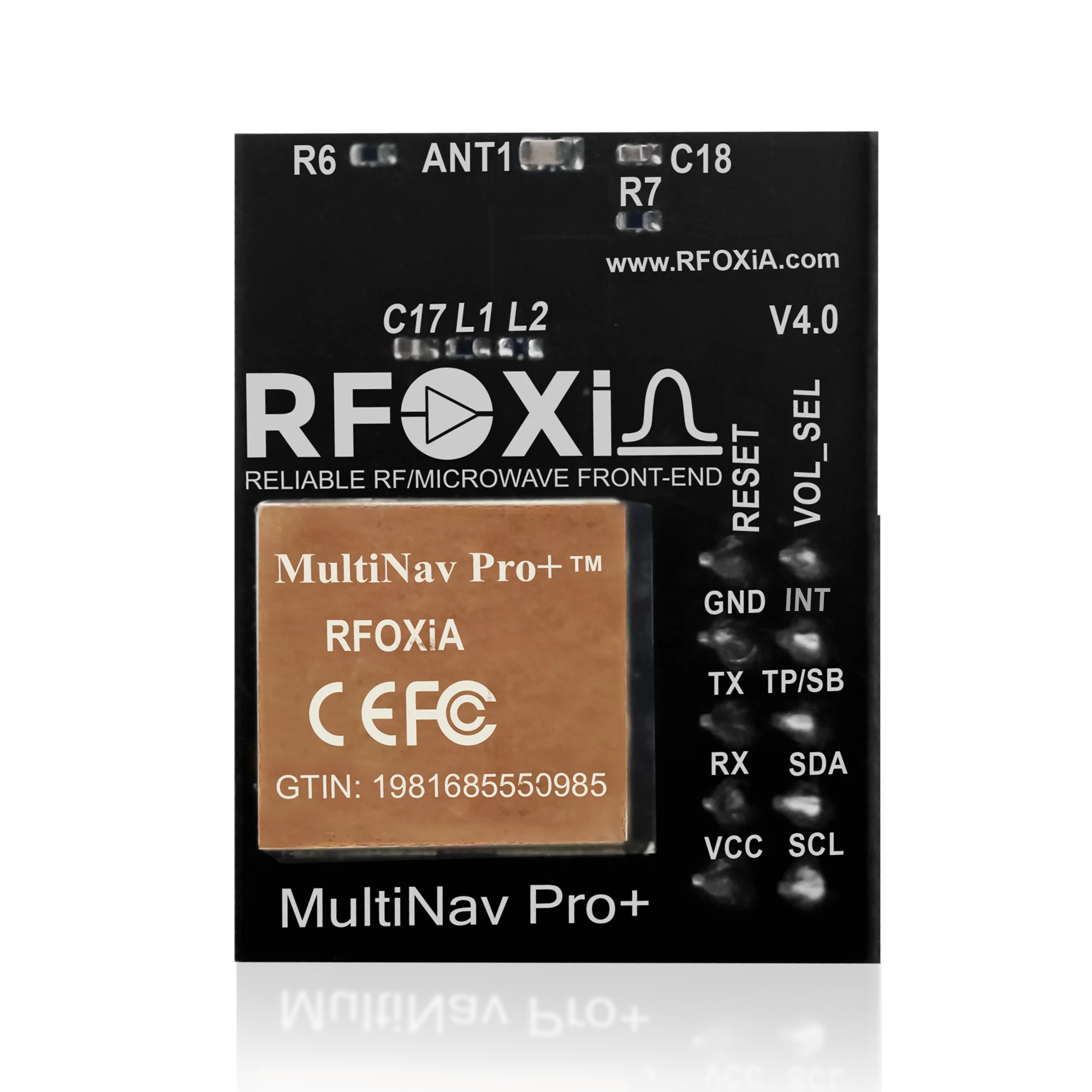
What Is the GNSS Cold Start Problem?
Before we discuss the solution, it is worth understanding the problem precisely.
A GNSS receiver — whether GPS-only or multi-constellation — must acquire signals from multiple satellites before it can calculate a position fix. To do this efficiently, the receiver needs three pieces of information:
- Almanac data — a coarse map of where all satellites in the constellation are located in their orbits
- Ephemeris data — precise, real-time orbital parameters for individual satellites
- Time reference — an accurate time source so the receiver can calculate signal travel distance
A cold start occurs when the receiver has none of this information — typically after a long power-off period, a factory reset, or when the module is deployed in a completely new location far from where it last acquired a fix. In a true cold start, the receiver must download fresh almanac and ephemeris data directly from the satellite signals, which is slow. Satellite broadcast data rates are extremely low by design (50 bits per second on GPS L1), meaning a full ephemeris download for all visible satellites can take 12 to 30 minutes under poor conditions.
A warm start occurs when the receiver has recent almanac data but outdated ephemeris. This is faster — typically 15 to 45 seconds.
A hot start occurs when the receiver has both valid almanac and fresh ephemeris, plus an accurate time reference. This is where you get sub-second position acquisition.
The GNSS cold start problem, then, is fundamentally about how a receiver handles the transition from zero knowledge to full positional awareness — and how engineering decisions at the chip, antenna, and firmware level either accelerate or bottleneck that process.
Why Most GNSS Modules Struggle With Cold Start
Standard commodity GPS modules — the kind you find in Arduino starter kits or on basic breakout boards — typically use single-constellation receivers (GPS only), low-sensitivity chip antennas with poor gain, and no onboard memory for almanac preservation. When they lose power, they lose everything. Every power cycle is a cold start from scratch.
Even more capable modules often fall short in specific ways:
Single constellation dependency: GPS-only receivers have access to roughly 6-12 satellites at any given time in most locations. Multi-constellation receivers can access 20-30+ satellites simultaneously. More satellites means faster triangulation, better geometry (DOP), and faster cold start acquisition.
Poor antenna gain: A weak antenna requires stronger satellite signals for acquisition. Under heavy tree cover, in urban canyons, or at high latitudes where satellite elevation angles are low, a weak antenna dramatically extends cold start time.
No RF filtering: Interference from nearby electronics, cellular signals, and harmonics from motors can mask weak satellite signals during the critical acquisition phase, extending cold start time substantially.
Low update rate: Modules with 1Hz or 5Hz fix rates update their internal models slowly. Modules with higher fix rates can refine their position estimate faster once initial lock is achieved.
No backup power: Without a small battery or supercapacitor to maintain ephemeris memory during power cycles, every restart is a full cold start.
The Hardware-Level GNSS Cold Start Problem Solution: MultiNav Pro+
RFOXiA engineered the MultiNav Pro+ GNSS Module from the ground up to address every one of these failure points. The result is a module that achieves first fix in approximately one second under hot start conditions and dramatically accelerates acquisition even under cold start conditions — without requiring external antennas, complex configuration, or proprietary software stacks.
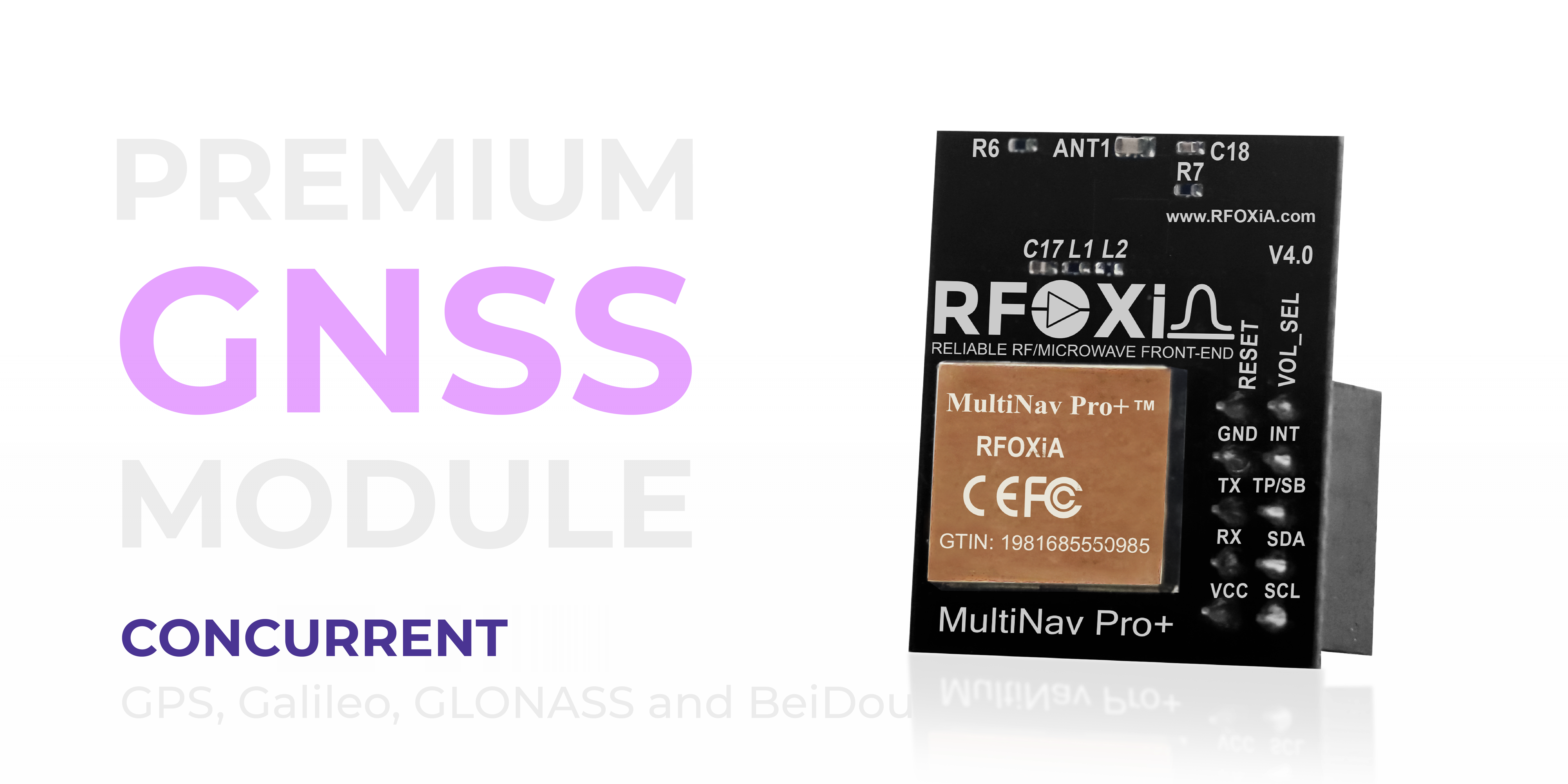
1. u-blox MIA-M10Q: The Engine Behind the Speed
The MultiNav Pro+ is powered by the u-blox MIA-M10Q, one of the most advanced compact GNSS chips available for embedded applications. The M10 platform was designed specifically for applications where power efficiency and fast acquisition are paramount.
The M10Q supports concurrent multi-constellation reception across GPS, Galileo, GLONASS, and BeiDou simultaneously. This is not sequential scanning across constellations — the receiver is processing signals from all four systems at the same time. With access to 30+ satellites across four constellations in most parts of the world, the receiver can always find enough strong signals to compute a high-quality position fix quickly, even under challenging sky conditions.
Concurrent multi-constellation is the single most impactful hardware-level GNSS cold start problem solution available. When GPS satellites are obscured, Galileo or BeiDou satellites may still have clear lines of sight. The receiver never has to wait for one constellation to fail before trying another.
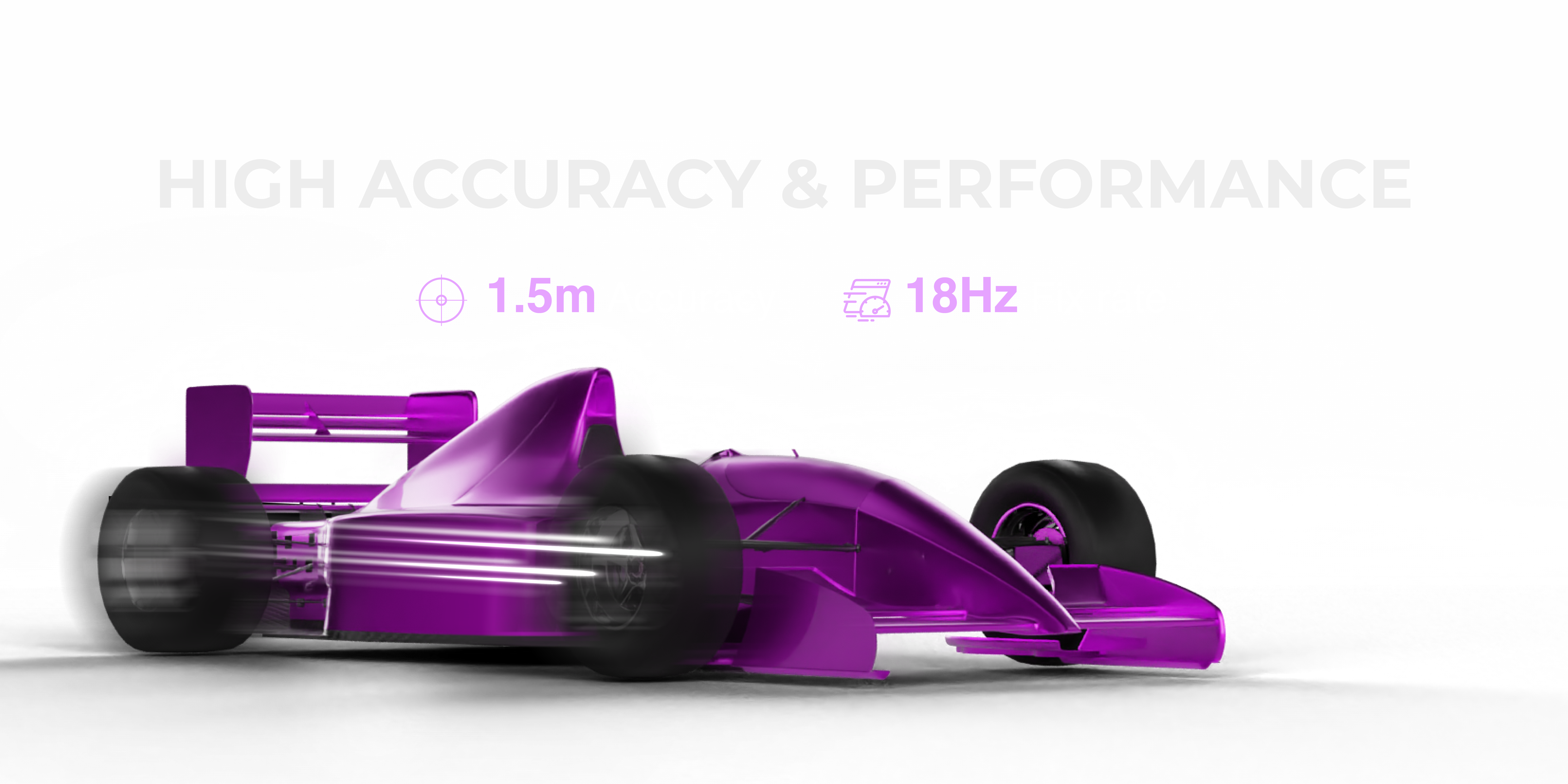
2. 1.5-Meter Accuracy and 18Hz Fix Rate
Acquisition speed matters, but so does what happens after lock. The MultiNav Pro+ delivers position accuracy of less than 1.5 meters CEP — competitive with much larger and more expensive GNSS receivers. This level of accuracy is achieved through the M10Q's advanced signal processing algorithms, which reject multipath signals and apply carrier phase smoothing to pseudorange measurements.
The 18Hz fix rate is equally significant. Most consumer-grade GNSS modules operate at 1Hz or 5Hz. A few professional-grade modules reach 10Hz. The MultiNav Pro+ delivers 18 position updates per second, which means:
- Drone autopilots receive fresh position data fast enough to maintain stable hover and execute precise maneuvers
- Fast-moving tracking applications — racing drones, high-speed vehicles, UAVs in wind — can track position changes without lag artifacts
- After initial lock, the receiver's internal state model is updated so rapidly that re-acquisition after brief signal loss is nearly instantaneous
The 18Hz fix rate is also directly relevant to the cold start problem in a non-obvious way: a receiver that updates its internal state 18 times per second converges on a stable position estimate far faster after initial satellite acquisition than a 1Hz module. The warm-to-hot transition happens in seconds rather than minutes.
3. Proprietary RF Microstrip Filter Technology
One of the least discussed but most impactful contributors to slow GNSS acquisition is radio frequency interference. GNSS signals arrive at the antenna at extremely low power levels — around -130 dBm, which is 20 decibels below the thermal noise floor. At this signal level, any nearby interference source can completely mask satellite signals and prevent acquisition.
The MultiNav Pro+ incorporates proprietary RF/microwave microstrip filter technology developed by RFOXiA's RF engineering team. This filter is integrated directly into the module's PCB layout and attenuates out-of-band interference before it reaches the GNSS receiver front end. The result is dramatically improved signal-to-noise ratio during the acquisition phase, which directly accelerates cold start performance in real-world deployment environments — near motors, power electronics, cellular modems, and other common interference sources.
4. Integrated High-Gain Chip Antenna
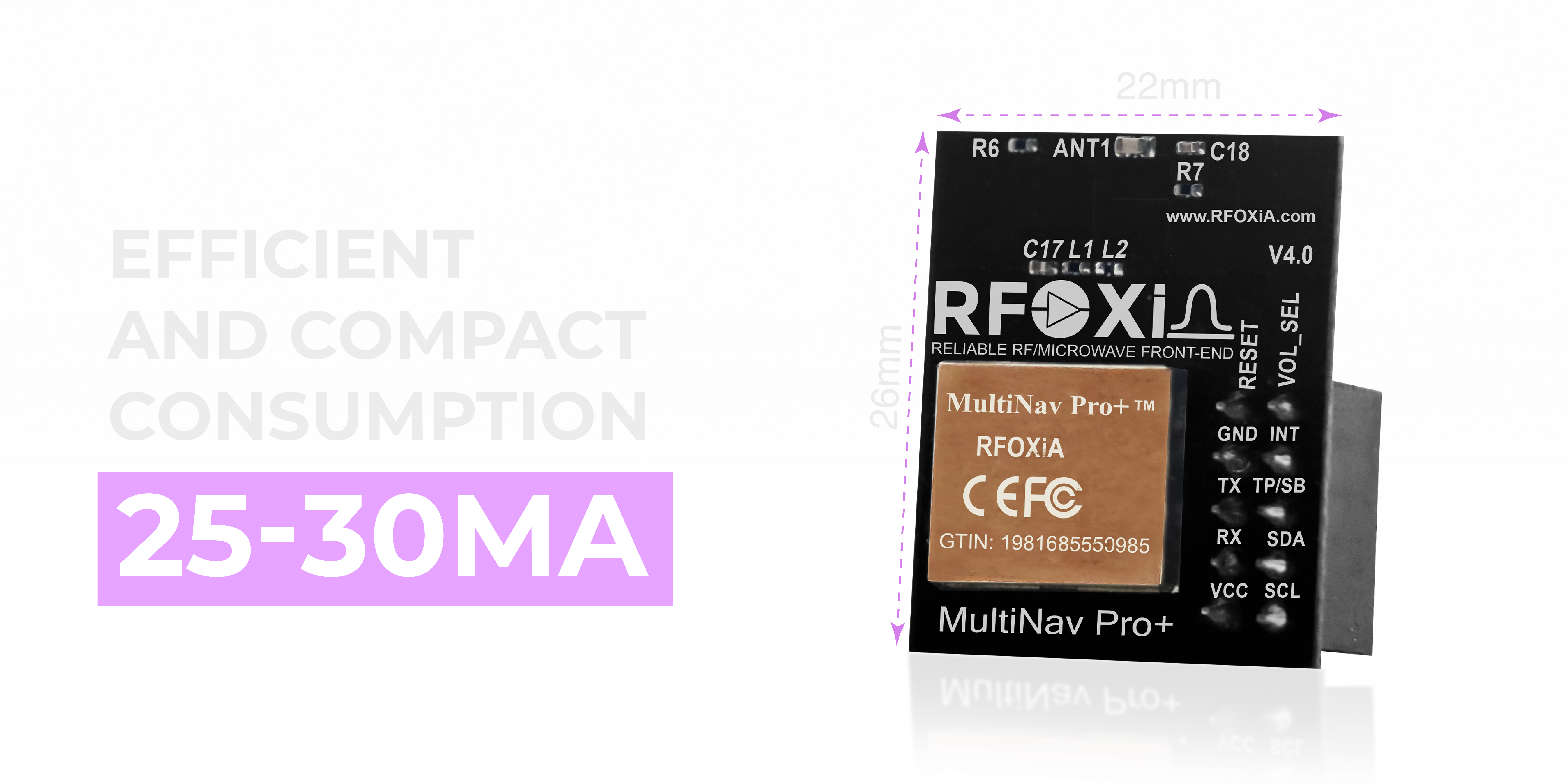
The MultiNav Pro+ integrates a high-gain chip antenna optimized for GNSS frequency bands directly on the module's 26mm x 22mm footprint. This antenna was selected and tuned to provide maximum gain toward the upper hemisphere — where satellites are — while minimizing ground-bounce multipath interference from below.
An integrated high-gain antenna means two things for cold start performance:
- The receiver acquires satellite signals at lower elevation angles, effectively expanding the visible sky window and increasing the number of usable satellites
- Signal quality during the initial acquisition phase is higher, which reduces the time required for the receiver to achieve the minimum signal quality threshold for position computation
For drone applications specifically, a high-gain antenna oriented toward the sky provides optimal performance during the ground pre-flight phase — exactly when cold start matters most.
Developer-Friendly Integration: Removing the Software Barrier
Solving the hardware side of the GNSS cold start problem is only half the battle. If integrating the module into your firmware requires weeks of work, the hardware advantage is negated by development friction.
The MultiNav Pro+ was designed for fast, frustration-free integration.
Dual Interface: UART and I2C
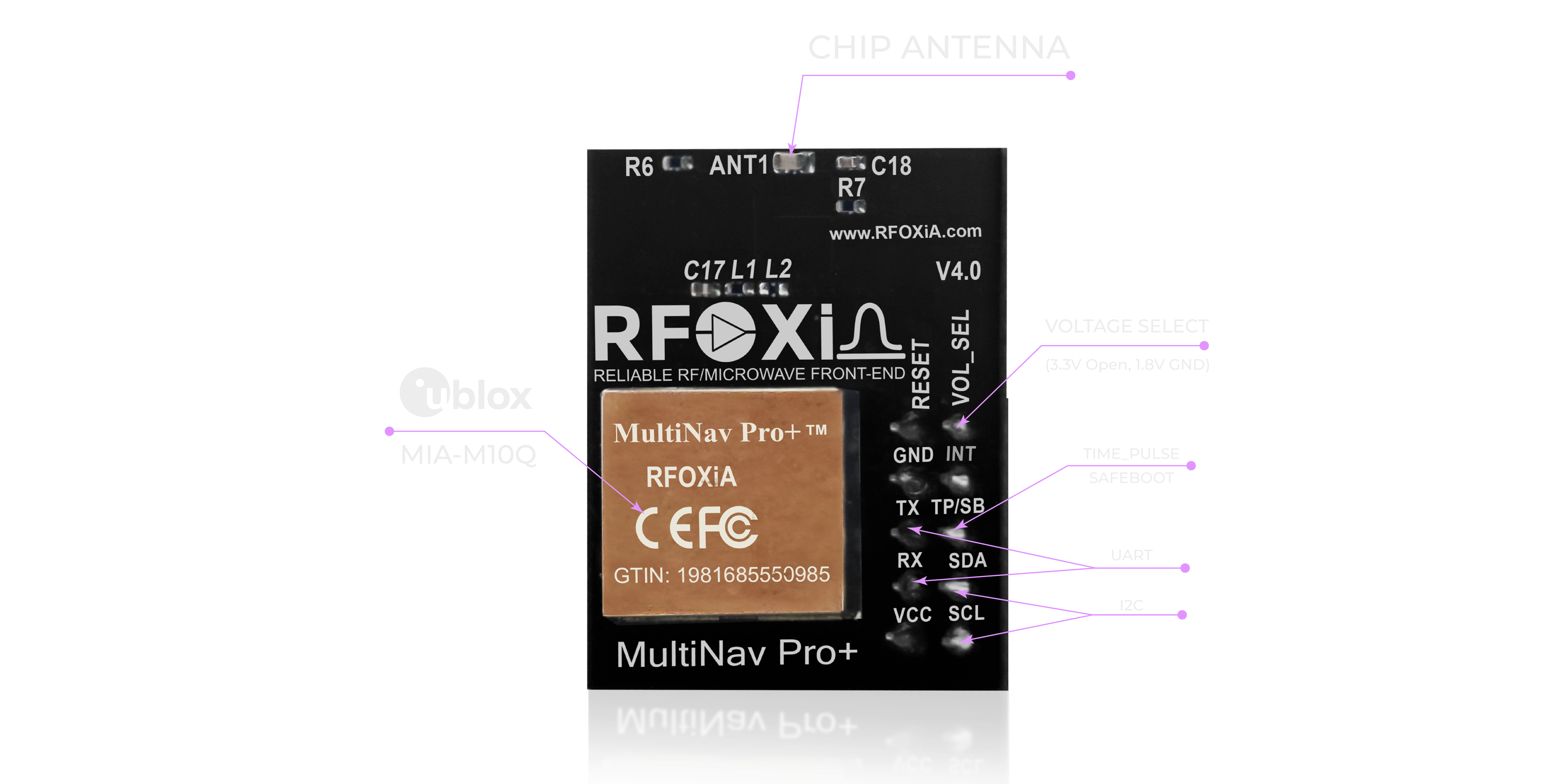
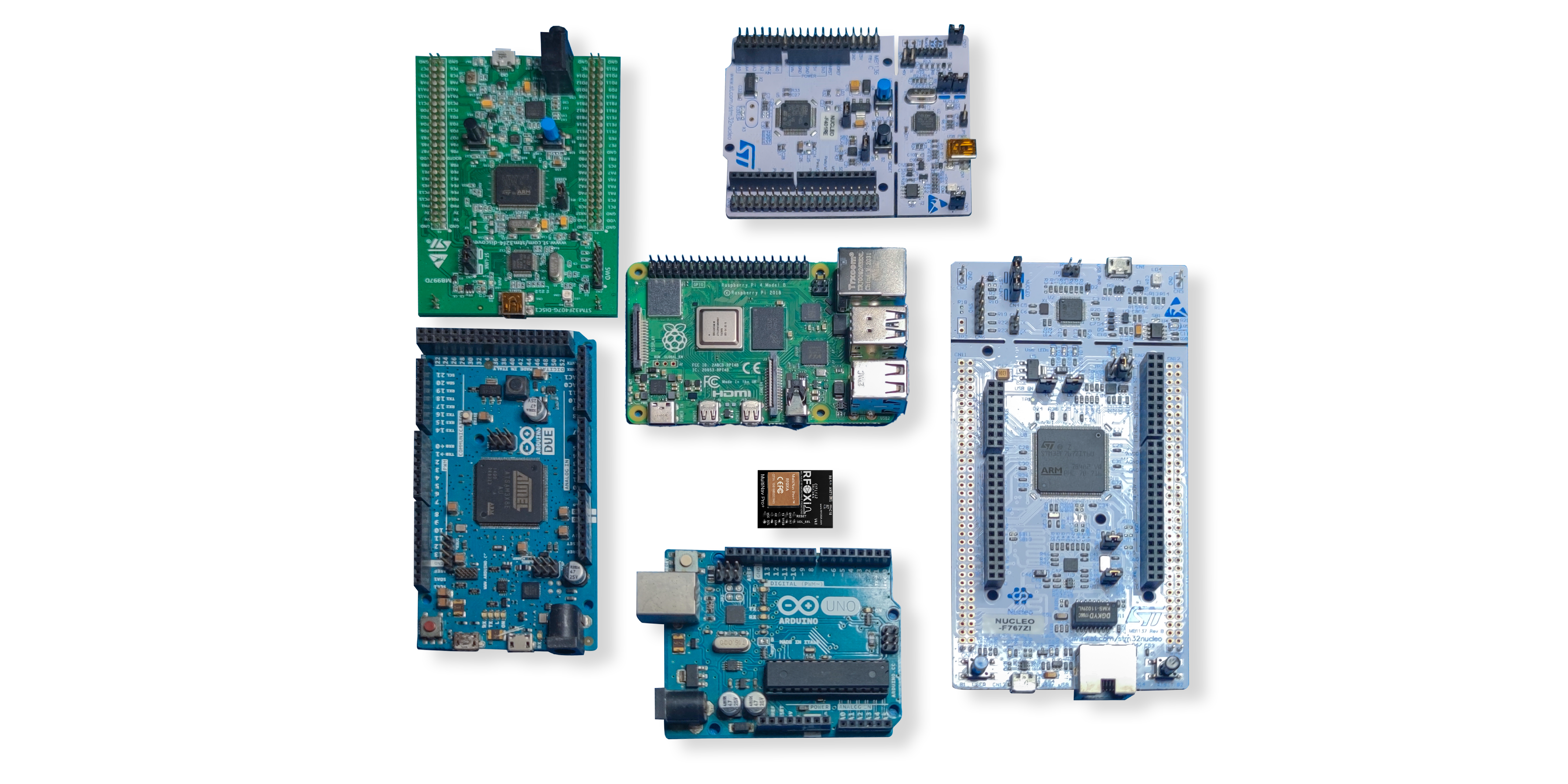
The MultiNav Pro+ supports both UART (TX/RX) and I2C (SCL/SDA) interfaces, making it compatible with virtually every microcontroller platform — STM32, ESP32, Arduino, Raspberry Pi, Nordic nRF series, and custom hardware designs. The module operates at both 1.8V and 3.3V logic levels, eliminating the need for level shifters in most designs.
Fully Open-Source C Library
RFOXiA provides a fully open-source C language driver library for the MultiNav Pro+. The library implements the NMEA standard protocol command set, giving you immediate access to:
- GGA sentences (position, altitude, fix quality, satellite count)
- RMC sentences (position, velocity, course over ground)
- GSV sentences (satellites in view, signal strength per satellite)
- VTG sentences (track and speed over ground)
- Custom UBX protocol commands for advanced M10Q configuration
The library imports directly into Arduino IDE with a single include statement and is equally at home in any GCC-based C/C++ toolchain. For teams working with PlatformIO, STM32CubeIDE, or Zephyr RTOS, the library integrates without modification.
For RFOXiA Club members, the AI Firmware Builder takes this further — describe your GNSS application in plain language and the AI generates production-ready firmware integrated with the MultiNav Pro+ driver in minutes rather than days. This is the fastest path from hardware to flying code that exists in the embedded development world today.
u-center Software Compatibility
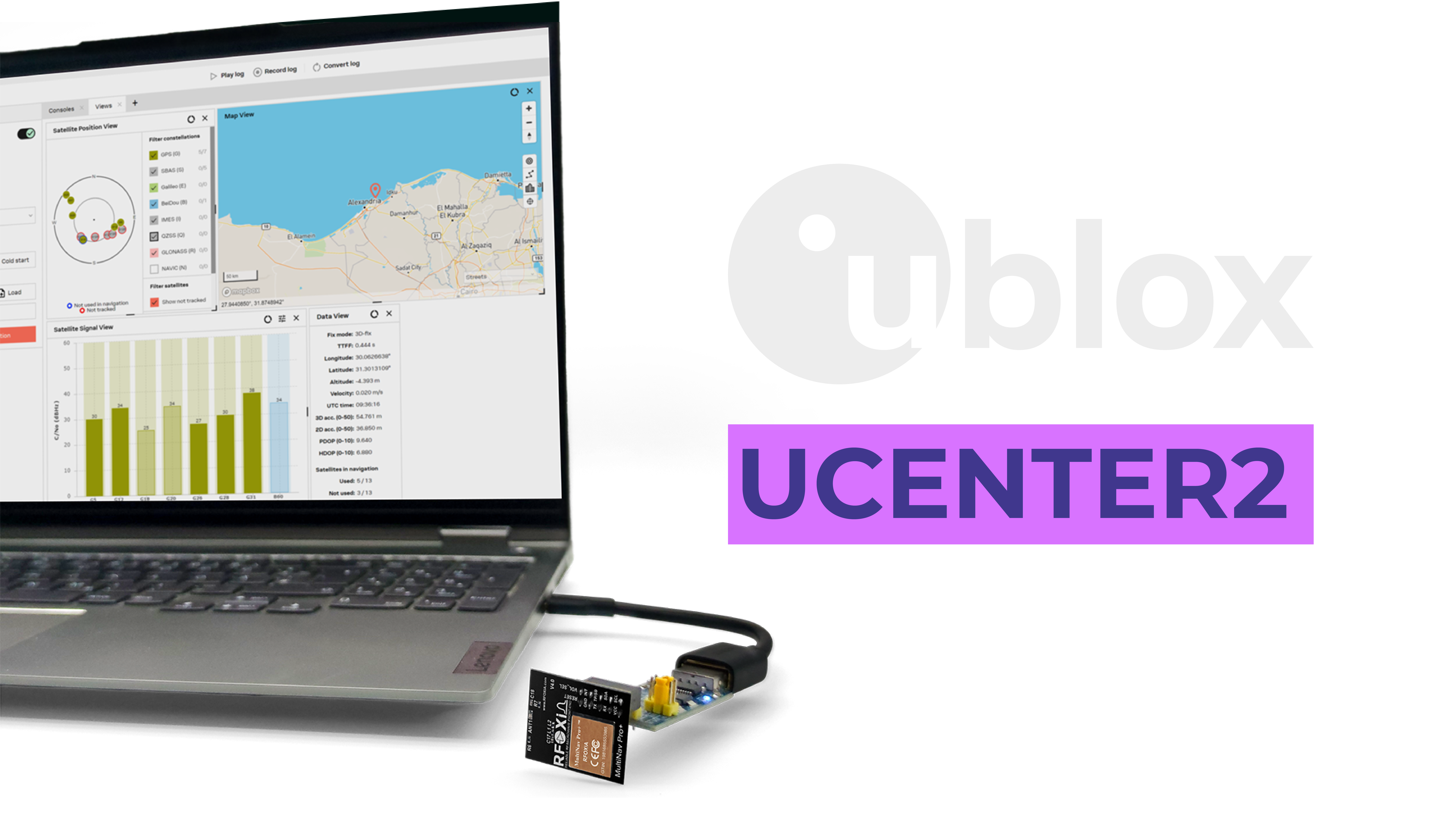
Because the MultiNav Pro+ is built on the u-blox M10Q, it is fully compatible with u-center — u-blox's professional GNSS evaluation and configuration GUI. u-center gives you a real-time satellite constellation view, signal strength bars for every tracked satellite, raw NMEA and UBX message logging, position plotting on a map, and full access to the receiver's configuration registers.
For engineering teams that need to characterize cold start performance, tune receiver settings for a specific deployment environment, or validate module behavior before production integration, u-center is an invaluable tool — and it works with the MultiNav Pro+ out of the box via UART connection.
Real-World Applications Where Cold Start Performance Is Mission Critical

The GNSS cold start problem is not an abstract engineering concern. In real deployments, it has real consequences.
Drone and FPV Applications: A racing drone or autonomous UAV waiting 45 seconds for GPS lock before it can arm is a serious operational problem. Competition environments, emergency response missions, and professional inspection flights all operate under time pressure. The MultiNav Pro+'s 1-second hot start and accelerated cold start acquisition means your drone arms fast and flies with confidence.
IoT Environmental Monitoring: The RFOXiA Accurate GNSS Module is a core component of the RFOXiA data network, where Sensors Modules stream verified environmental data from GPS-confirmed outdoor locations. These nodes may power cycle frequently due to solar charging cycles or power management routines. Fast re-acquisition after each power cycle ensures maximum uptime and maximum data rewards for network contributors.
Asset Tracking and Logistics: A vehicle or container tracker that requires two minutes to acquire position after being powered in a loading dock is practically useless for real-time logistics. The MultiNav Pro+'s rapid acquisition keeps tracking data current even in applications with frequent power interruptions.
Precision Agriculture: Agricultural drones and field robots need GPS lock before they can begin autonomous operation. Slow cold starts reduce the productive window of battery-powered field operations. Every second spent waiting for lock is a second not spent mapping, spraying, or sampling.
Search and Rescue and Emergency Response: In emergency scenarios, every second of position lock delay is unacceptable. The MultiNav Pro+'s ability to leverage all four satellite constellations simultaneously ensures that position is acquired as fast as physically possible regardless of sky conditions.
Wearables and Personal Tracking: Ultra-low power operation at 25-30mA during active tracking makes the MultiNav Pro+ suitable for battery-powered wearable applications where the module may be duty-cycled to conserve power — and needs to re-acquire position quickly when it wakes.
MultiNav Pro+ Technical Specifications at a Glance
| Parameter | Specification |
|---|---|
| GNSS Chip | u-blox MIA-M10Q |
| Constellations | GPS + Galileo + GLONASS + BeiDou (concurrent) |
| Position Accuracy | < 1.5m CEP |
| Fix Rate | Up to 18Hz |
| First Fix Time (Hot Start) | ~1 second |
| Operating Current | 25-30mA |
| Module Dimensions | 26mm x 22mm |
| Antenna | Integrated high-gain chip antenna |
| Interfaces | UART (TX/RX), I2C (SCL/SDA) |
| Operating Voltage | 1.8V / 3.3V |
| Certifications | FCC certified |
| Software | Open-source C library, u-center compatible |
| Price | $49 |
Why RFOXiA and Why Now
RFOXiA is not a module vendor. It is a complete wireless development ecosystem — hardware, firmware AI, mobile control application, data monetization network, and developer community — built by engineers who use these tools themselves.
The MultiNav Pro+ does not exist in isolation. It is designed to work seamlessly with the RFOXiA BLE Module (5-20km long-range wireless), the Sensors Module (7 environmental sensors), and the Power/Program Kit (5-minute charge, 24-hour runtime) as part of the complete Developer Bundle. When all four modules are deployed together, you have a self-contained wireless sensing, positioning, and communication platform that no other product on the market provides at any price point.
Every module is FCC certified. Everything ships from stock. The developer platform, AI firmware tools, and community are live and active today.
If you are building anything that moves, senses, or communicates wirelessly — the RFOXiA Accurate GNSS Module is the precision positioning foundation your project deserves.
Conclusion: Stop Waiting for Lock. Start Building.
The GNSS cold start problem is a solvable engineering challenge — not an inevitability. With the right chip, the right antenna, concurrent multi-constellation reception, and integrated RF filtering, first fix time drops from minutes to seconds. The MultiNav Pro+ delivers all of this in a 26mm x 22mm FCC-certified module with open-source drivers and professional-grade accuracy, at a price that belongs in every serious developer's toolkit.
If cold start performance has been the limiting factor in your GNSS project, the solution is available right now. Explore the RFOXiA Accurate GNSS Module and get your first fix in one second — every time.
Written by: Moamen Mohamed LinkedIn