
GPS Module Price Comparison: Find the Best Value in 2025
The GPS Module Price Comparison Every Builder Needs to Read Before Buying
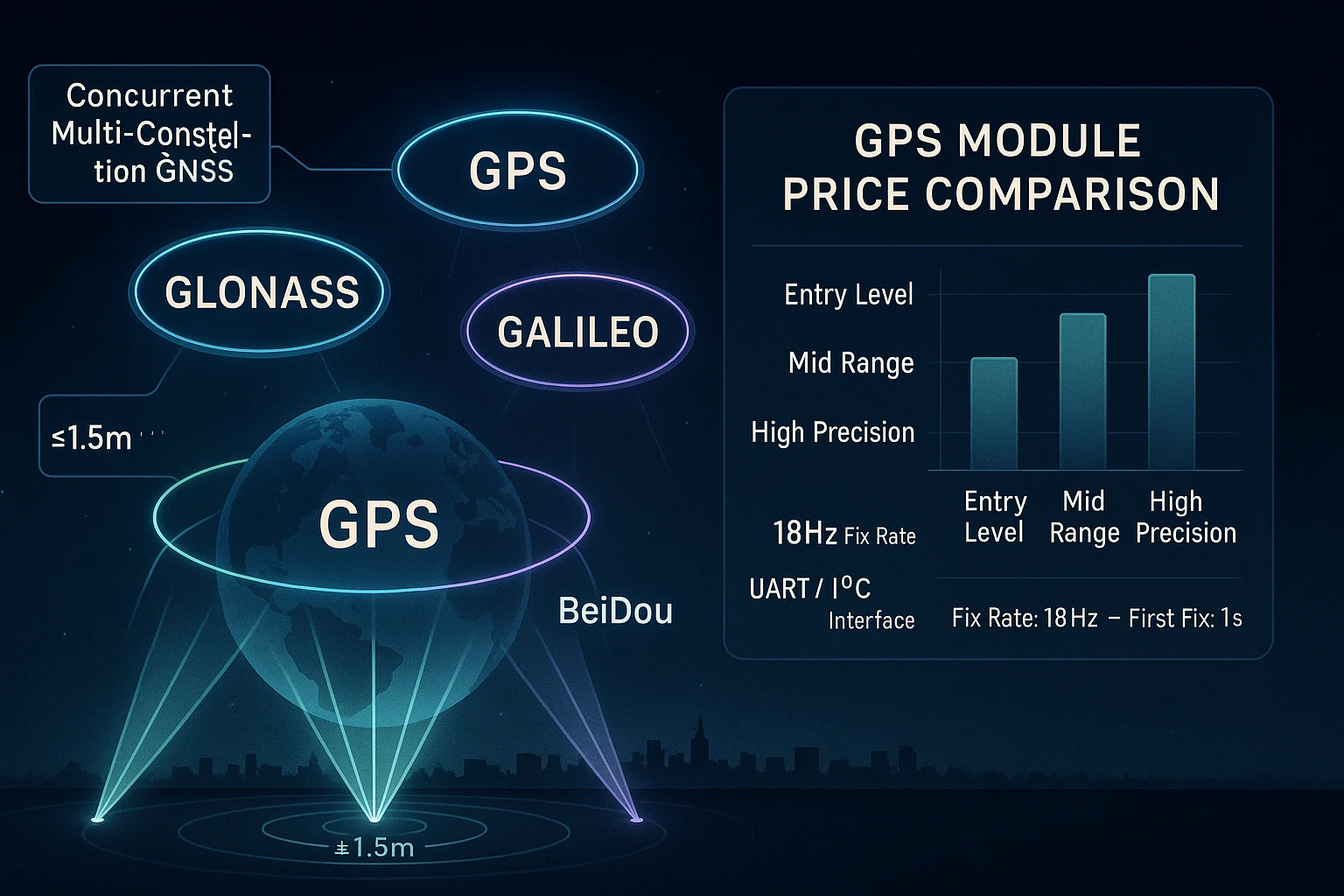
If you have spent any time shopping for a GNSS or GPS module, you already know the frustration. Dozens of options fill the market — cheap breakout boards with vague specs, expensive professional units with price tags that make no sense for a maker budget, and everything in between. This complete GPS module price comparison breaks down what is actually available, what the specifications mean in practice, and where the real value sits in 2025.
Spoiler: the sweet spot is not where most people are looking.
Why GPS Module Pricing Is So Confusing
The GNSS module market spans an enormous price range — from under $5 for a barebones chip to over $2,000 for survey-grade receivers. That range exists for real reasons, but most buyers never get a clear explanation of what drives cost and what actually matters for their application.
Here are the variables that genuinely affect price and performance:
1. GNSS Constellation Support Modules that support only GPS (United States satellite system) are cheaper but less accurate and slower to acquire a fix. Modules supporting concurrent GPS, GLONASS, Galileo, and BeiDou lock onto more satellites simultaneously, which means faster first fix times and better accuracy — especially in urban canyons or obstructed environments.
2. Fix Rate (Update Rate) Consumer-grade modules typically offer 1Hz — one position update per second. That is fine for a slow-moving vehicle or a static deployment. For a drone traveling at 60 km/h, 1Hz position updates are dangerously stale. Professional applications demand 10Hz, 18Hz, or higher.
3. Accuracy The difference between 2.5-meter accuracy and 1.5-meter accuracy sounds small until you are trying to land a drone on a precision pad or track a fast-moving asset through a complex environment. Accuracy is determined by the quality of the GNSS chip, the antenna design, and the RF filtering on the board.
4. Antenna Design On-board chip antennas sacrifice some sensitivity for compactness. External antenna connectors give more flexibility but add cost and complexity. The best compact modules use high-gain chip antenna designs that recover most of the sensitivity loss.
5. Interface and Integration UART-only modules are simple but limited. Modules supporting both UART and I2C give developers more flexibility to chain sensors and reduce wiring complexity.
6. Software and Ecosystem Support A module with no driver library, no documentation, and no community support will cost you far more in development hours than you saved on the purchase price.
The GPS Module Price Comparison: Tier by Tier
Tier 1: Under $15 — Bare Minimum Modules
At this price point, you get GPS-only or dual-constellation support, typically 1Hz update rate, accuracy ranging from 2.5 to 5 meters, minimal documentation, and no software library. These modules exist primarily for cost-sensitive consumer electronics where position accuracy is a secondary feature — think asset trackers that update every few minutes or simple geofencing applications.
For drone builders, robotics engineers, or anyone building something that moves fast or requires precision, these modules are a false economy. The accuracy is insufficient and the fix rate is too slow to be useful in dynamic applications.
Typical examples in this tier: Generic NEO-6M breakout boards, clone chips with unknown provenance.
Verdict: Only appropriate for the most basic, slow-moving, non-critical applications.
Tier 2: $15–$35 — Mid-Range Consumer Modules
This tier includes better-known chips with dual or triple constellation support, 5Hz update rates on some units, and improved documentation. Accuracy improves slightly, typically landing in the 2–2.5 meter range. You start to see real software library support here, including Arduino-compatible libraries.
However, this tier still has meaningful limitations. Most modules in this range do not support concurrent quad-constellation GNSS, which limits satellite availability in challenging environments. Update rates rarely exceed 5Hz, which is still marginal for fast drone applications. RF filtering is often minimal, which increases susceptibility to interference in noisy radio environments.
Verdict: Acceptable for hobby projects with modest performance requirements. Not suitable for professional drone operations or precision applications.
Tier 3: $35–$80 — Professional-Grade Maker Modules
This is where the GPS module price comparison gets interesting — and where the MultiNav Pro+ from RFOXiA competes.
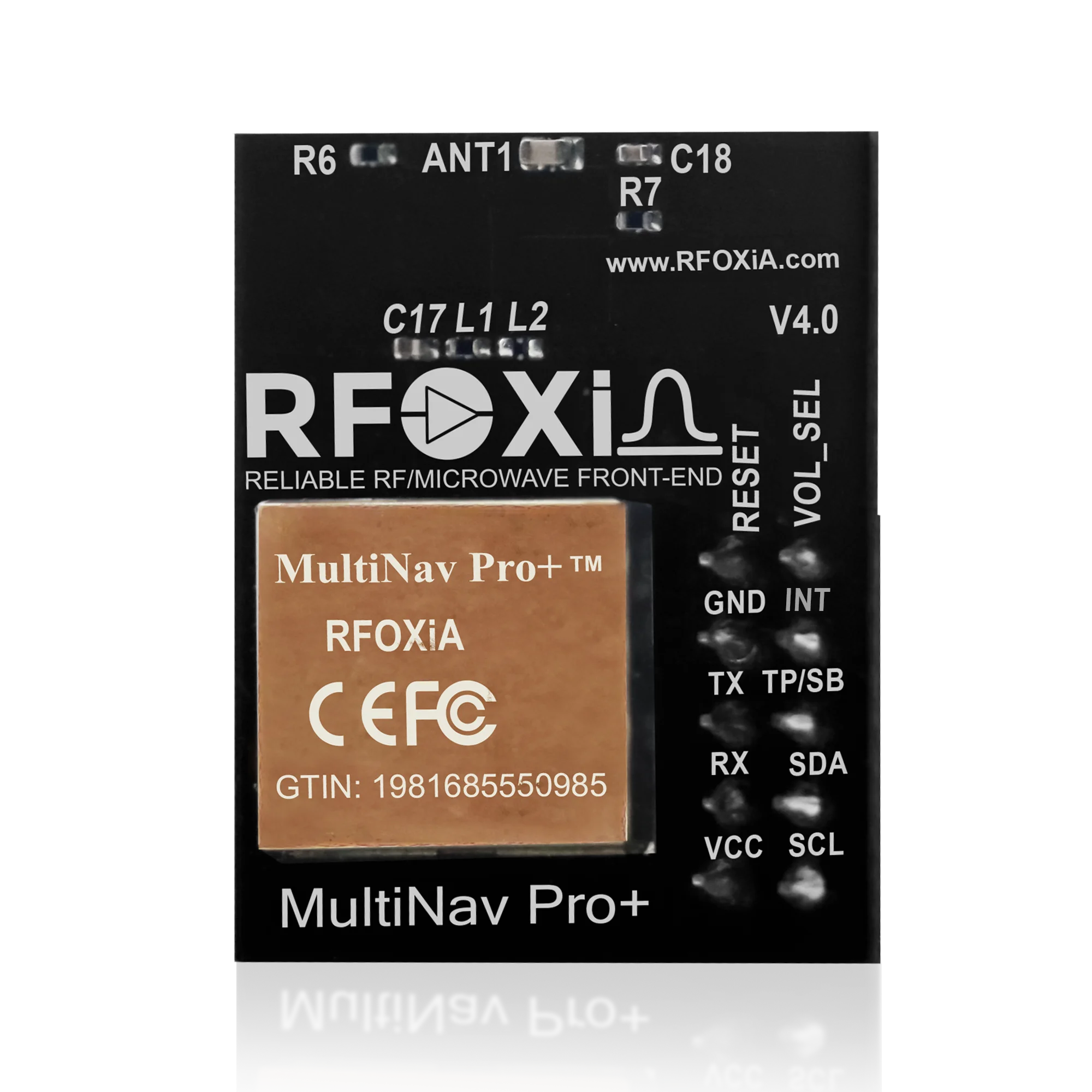
At $49, the MultiNav Pro+ occupies a position in this tier that is genuinely exceptional when you examine the specifications alongside price:
- 1.5-meter accuracy — matching modules that cost significantly more
- 18Hz fix rate — among the highest available at any price in the maker market
- Concurrent GPS, GLONASS, Galileo, and BeiDou — all four major constellations simultaneously
- u-blox MIA-M10Q chip — the latest generation from u-blox, one of the most trusted names in precision GNSS
- First fix in 1 second — critical for applications where warm-up time is not acceptable
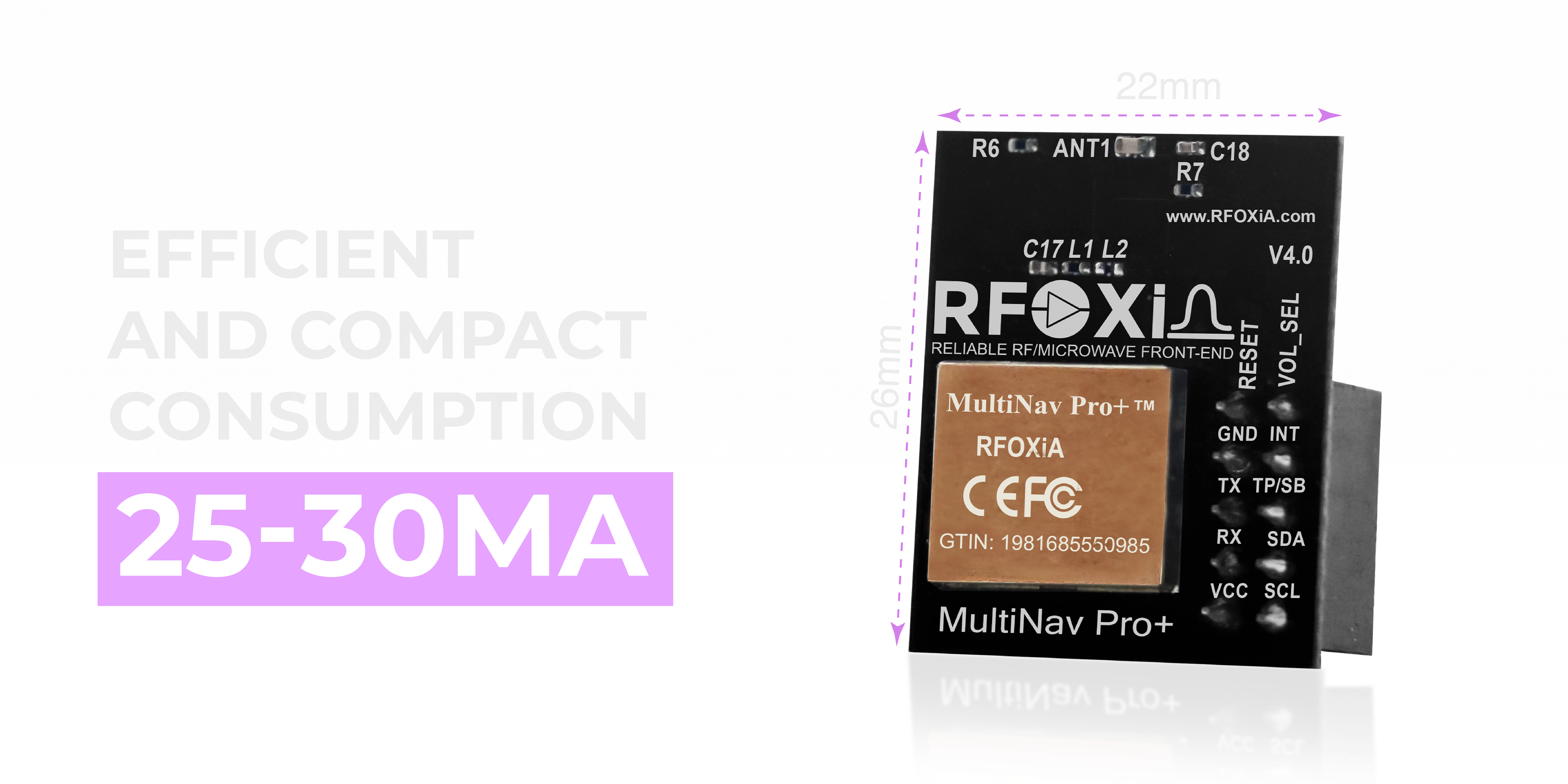
- Compact 26mm x 22mm form factor
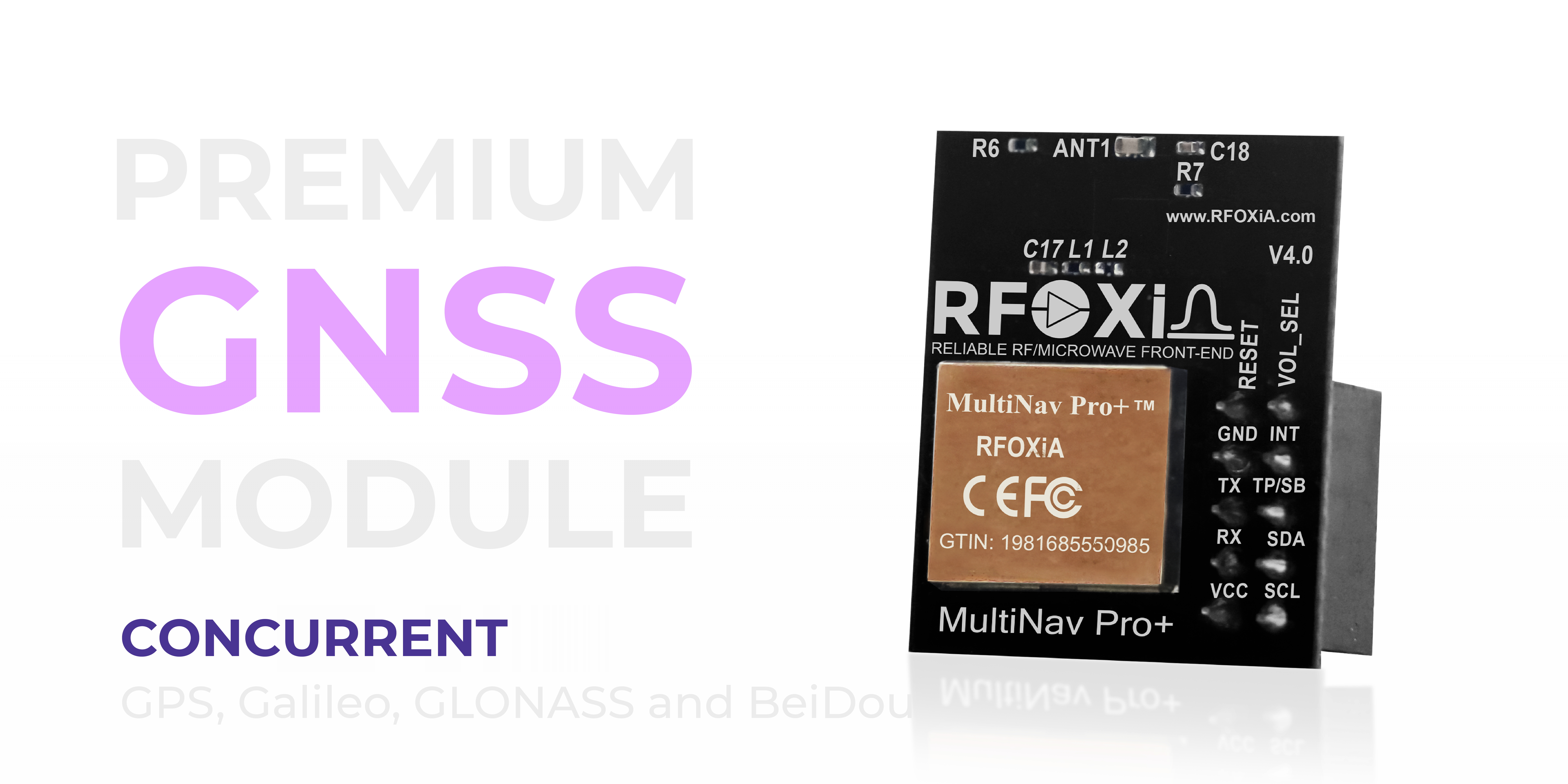
The u-blox MIA-M10Q at the heart of the MultiNav Pro+ is designed specifically for high-performance, power-efficient GNSS applications. It is not a recycled older chip — it is a current-generation component that u-blox positions for demanding professional applications.
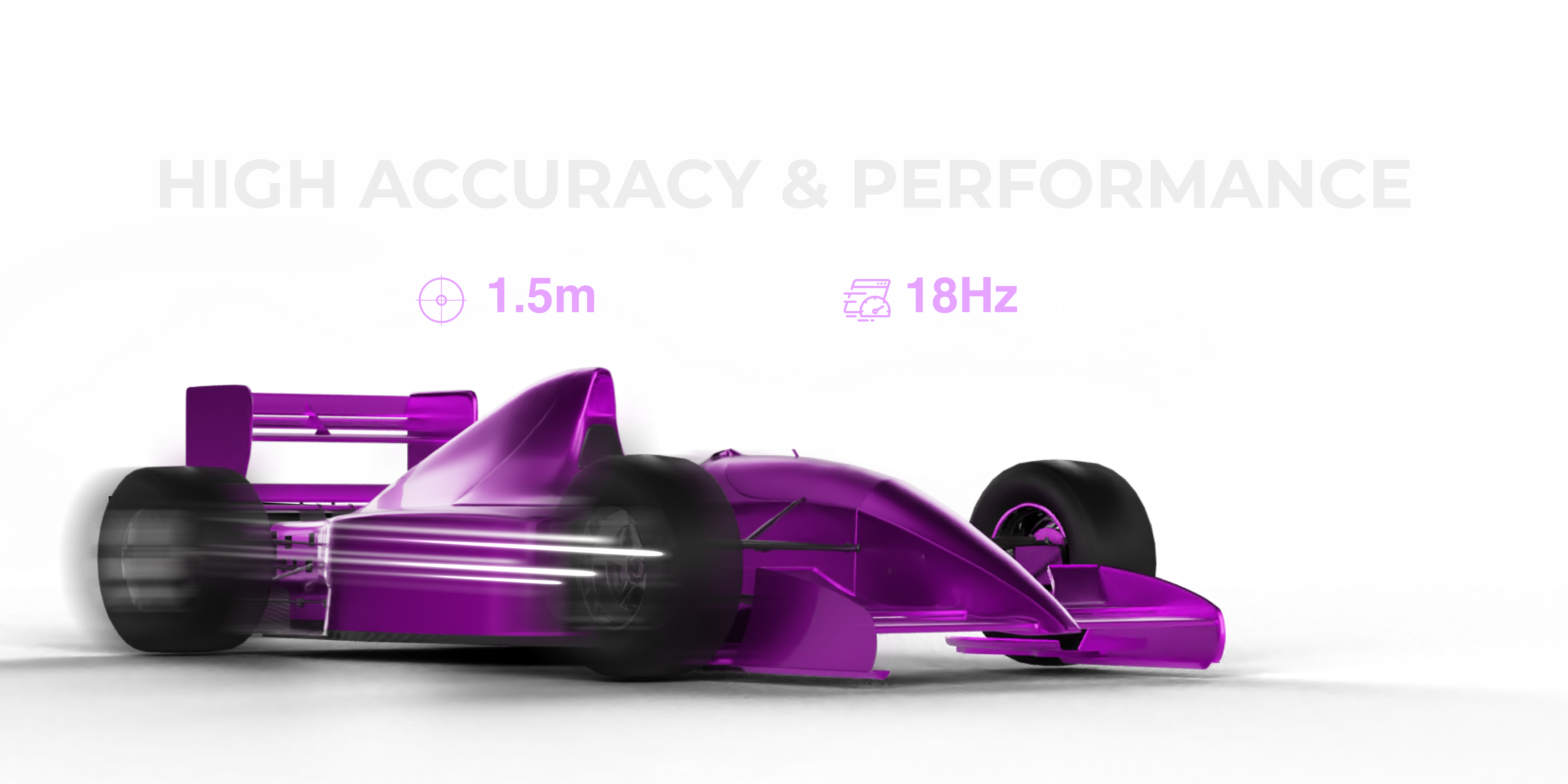
Verdict: This is the tier where builders who care about real performance without enterprise budgets should be shopping. The MultiNav Pro+ sets a high bar in this range.
Tier 4: $100–$500 — Semi-Professional and Industrial Modules
Above $100, you start paying for features that most makers do not need: industrial temperature ratings, ruggedized enclosures, differential correction inputs for centimeter-level RTK accuracy, and certification packages for regulated industries. Update rates and base accuracy in this range can match or slightly exceed the MultiNav Pro+, but the gap narrows significantly when you consider the price multiple.
For a robotics engineer building an experimental platform or a researcher deploying an environmental monitoring node, spending $200–$400 on a GNSS module when a $49 module delivers equivalent accuracy for the application is difficult to justify.
Verdict: Worth considering only if your application specifically requires RTK correction, industrial temperature ranges, or regulated industry certifications.
Tier 5: $500+ — Survey-Grade and Enterprise GNSS
Survey-grade receivers using RTK (Real-Time Kinematic) correction achieve centimeter-level accuracy — sometimes sub-centimeter. These are legitimate precision instruments used in land surveying, precision agriculture at scale, and infrastructure construction. They require correction signals from base stations or NTRIP networks, which adds operational complexity and recurring cost.
This tier is irrelevant to the vast majority of drone builders, IoT developers, and makers reading this GPS module price comparison. If you need this, you already know why.
Verdict: Purpose-built for regulated professional surveying. Not relevant for most development applications.
What Makes the MultiNav Pro+ Different in This GPS Module Price Comparison
Beyond the headline specifications, there are several design decisions in the MultiNav Pro+ that reflect genuine engineering depth rather than marketing copy.
Power Efficiency That Matters in the Field
The module operates at 25–30mA — a carefully optimized power envelope for a multi-constellation system at this performance level. When your GNSS module is running alongside a BLE radio, sensors, and a flight controller, every milliamp counts. The MIA-M10Q's power management architecture is designed specifically to minimize power draw without sacrificing lock speed or accuracy.
Interface Flexibility for Real Development Workflows
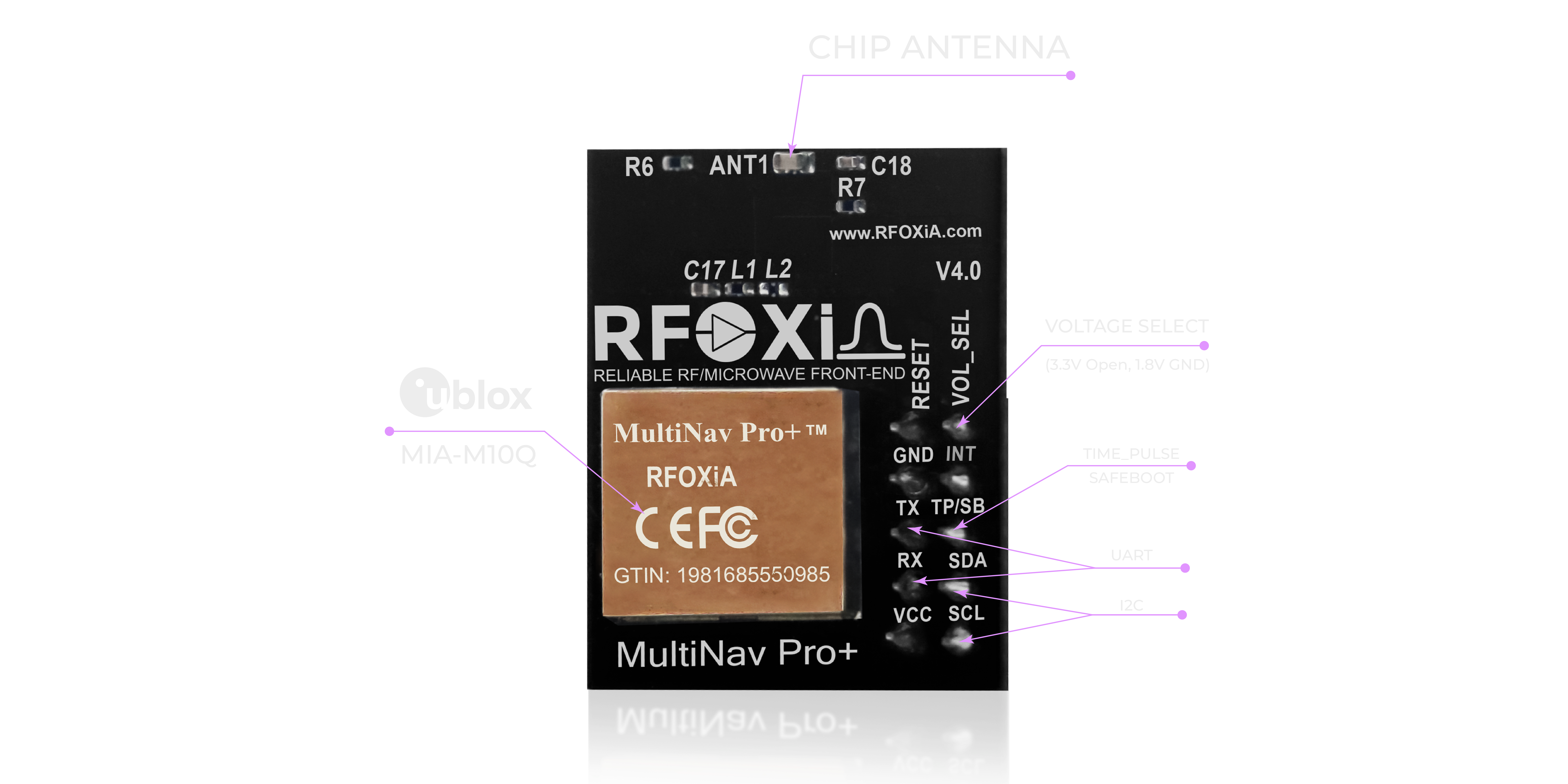
Supporting both UART and I2C is not a trivial feature. When you are designing a system with multiple peripherals — sensors, radios, displays — the ability to connect your GNSS module via I2C rather than consuming a dedicated UART port can be the difference between a clean design and a compromised one.
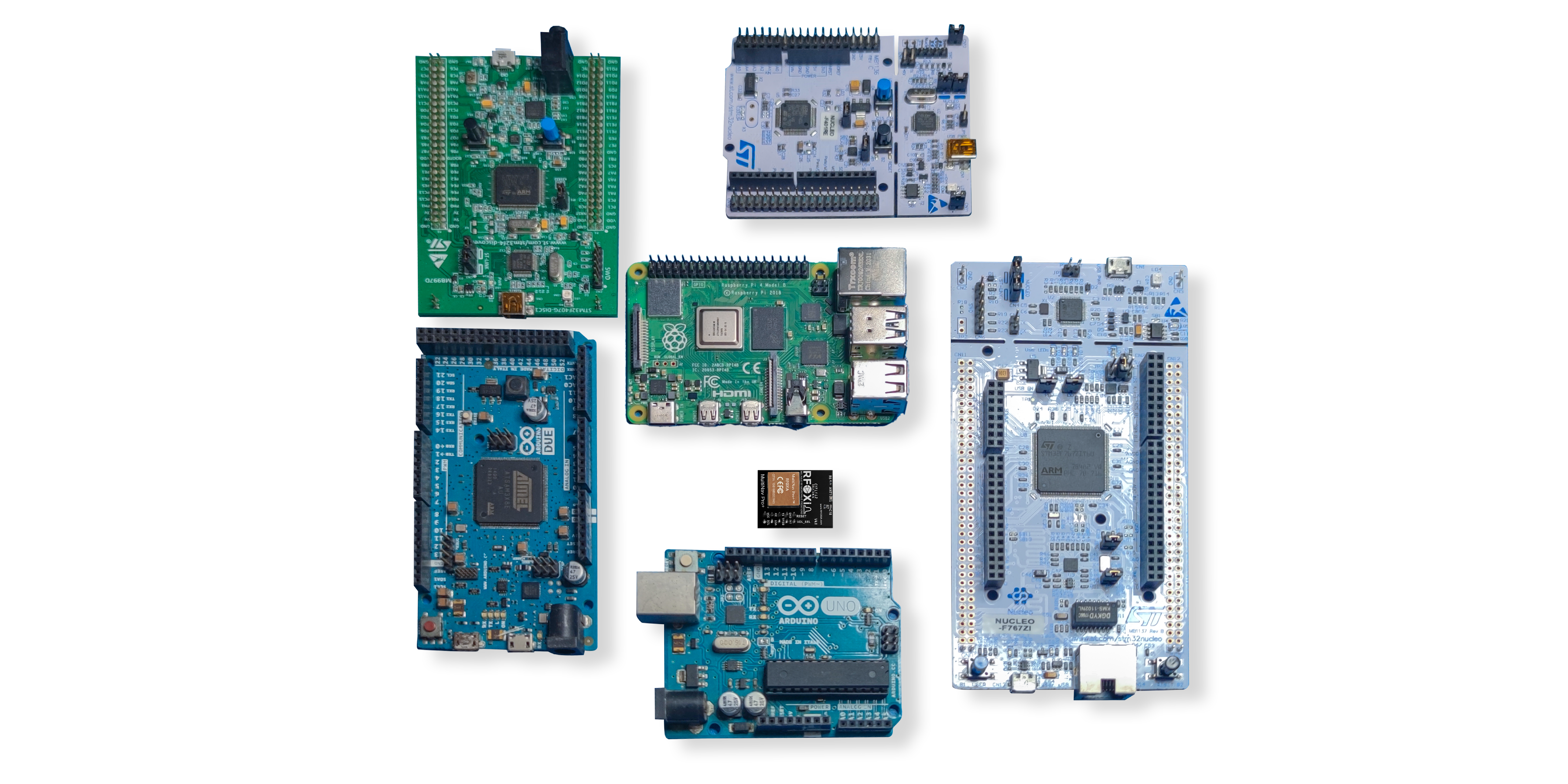
The MultiNav Pro+ supports both interfaces with voltage compatibility at 1.8V and 3.3V, covering the full range of modern microcontrollers and SBCs.
Open Source Driver: No Black Box
The module ships with a fully open-source C language driver library that implements the complete NMEA standard protocol. Import it directly into Arduino IDE or any toolchain — no proprietary SDK, no licensing agreement, no mystery binary blobs in your project.
For developers who care about understanding their code stack, this is meaningful. You can inspect, modify, and extend every layer of the software from the hardware abstraction up.
u-Center Software Integration
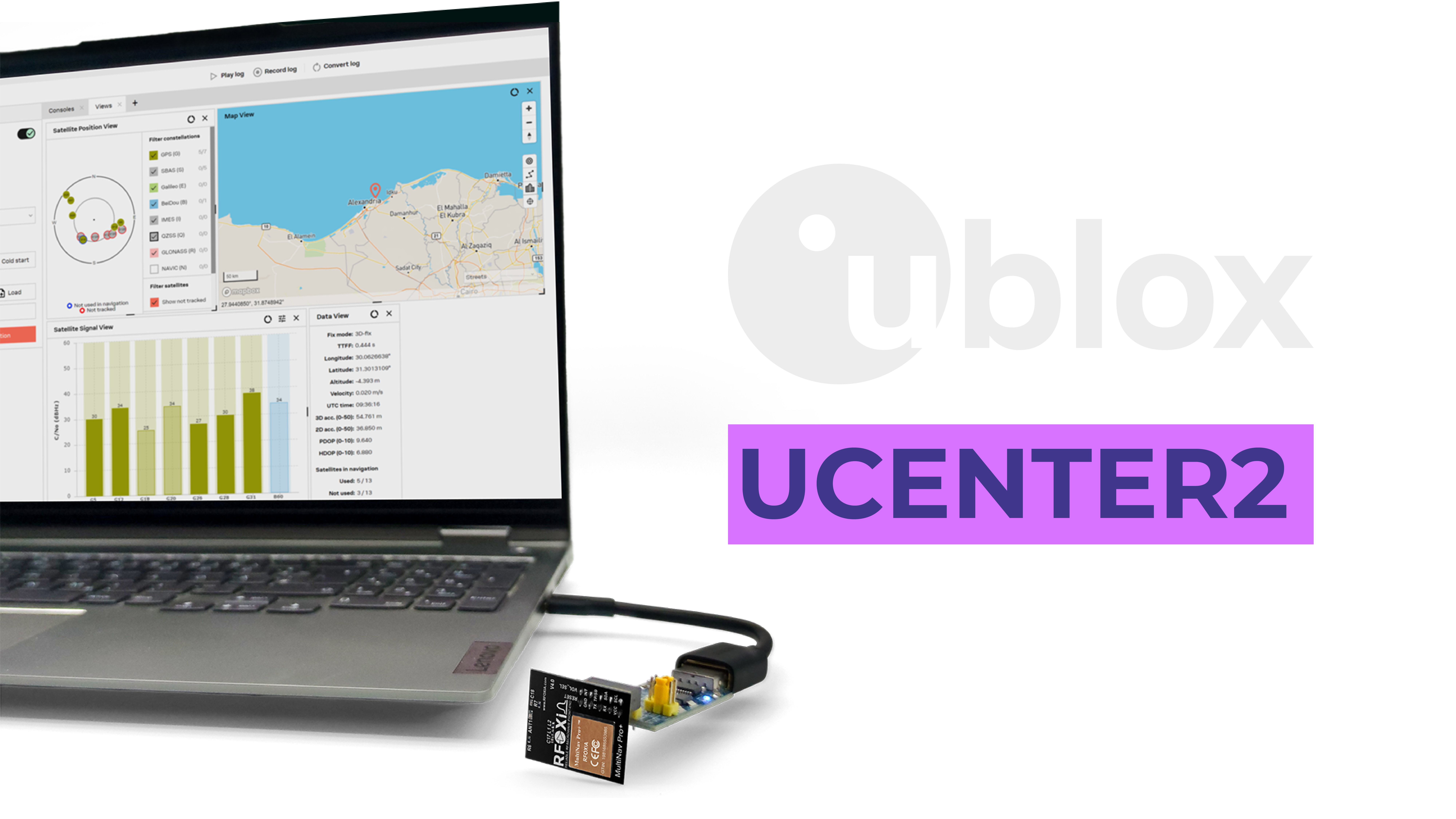
Because the MultiNav Pro+ is built on the u-blox MIA-M10Q, it is fully compatible with u-blox's u-Center software — a professional GUI that gives you real-time satellite visualization, signal strength analysis, configuration management, and logging capabilities. This is the same tool that professional GNSS engineers use daily.
For a $49 module, having access to a full professional evaluation and configuration environment is an unusual advantage.
Application-by-Application: Which GPS Module Price Tier Makes Sense
Rather than picking a module based solely on price, consider your application requirements:
Drone Navigation and Return-to-Home
Required: 10Hz+ fix rate, multi-constellation support, under 2m accuracy Why: Drones move fast. At 50 km/h, a 1Hz update rate means your position is 14 meters stale. A 10Hz rate keeps staleness under 1.4 meters. At 18Hz, you are operating with position latency under 56ms — genuinely real-time for flight control purposes. Recommended tier: $35–$80 MultiNav Pro+ fit: Excellent — 18Hz is among the highest available at this price
FPV Racing and High-Speed Flight
Required: Maximum fix rate, minimum latency Why: Position data feeds flight stabilization algorithms. Latency compounds with every processing stage. Recommended tier: $35–$80 minimum MultiNav Pro+ fit: Strong — 18Hz and 1-second first fix minimize both latency and warm-up time
IoT Asset Tracking
Required: Multi-constellation, reasonable accuracy, low power, small form factor Why: Tracking modules often run on battery for extended periods. Power draw and form factor matter as much as accuracy. Recommended tier: $15–$50 depending on accuracy requirements MultiNav Pro+ fit: Excellent — 25–30mA, 26x22mm, 1.5m accuracy covers the full range of tracking applications
Environmental Research and Data Network Deployment
Required: Reliable fix, GPS-verified location for data validation Why: RFOXiA's data network requires GPS-verified outdoor deployment for data integrity. A module that loses lock or provides unreliable position data invalidates your data contributions. Recommended tier: $35–$80 MultiNav Pro+ fit: Purpose-built for exactly this use case — designed as part of the RFOXiA ecosystem
Precision Agriculture (DIY)
Required: Sub-2m accuracy, reliable multi-constellation support Why: Variable-rate application systems and autonomous tractor guidance need consistent positioning. Recommended tier: $49–$200 depending on RTK requirements MultiNav Pro+ fit: Strong for non-RTK applications; pair with RTK correction source for centimeter-level if needed

The Ecosystem Advantage: Beyond the Module Itself
A GPS module price comparison that only looks at the module in isolation misses a critical factor: what ecosystem surrounds the hardware.
The MultiNav Pro+ is not a standalone product. It is part of the RFOXiA wireless development ecosystem, which includes:
- Long-range BLE module — 5km ground-to-ground, 15–20km man-to-drone communication
- Sensors module — 7 environmental sensors on one board
- Power/Program kit — supercapacitor-based, 5-minute charge for 24-hour runtime
- RFOXiA Connect app — iOS and Android, live GPS tracking on-map display, PS5-style drone control
- RFOXiA Club — developer platform with AI firmware builder, documentation, and community
- Data monetization network — earn daily rewards by contributing verified sensor + GPS data
When the MultiNav Pro+ is paired with the RFOXiA BLE module and Connect app, your GPS data streams live to a map display on your phone — no internet required, at ranges up to 20km man-to-drone. That capability simply does not exist in any other maker ecosystem at this price.
For developers who want the complete stack, the RFOXiA Accurate GNSS Module at $49 is available individually, or as part of the Developer Bundle — which combines BLE, GNSS, sensors, and power management in one integrated kit.
FCC Certification: Why It Matters More Than You Think
Every module in the RFOXiA product line — including the MultiNav Pro+ — carries FCC certification. This is not a minor detail. FCC certification means:
- The module has been tested and verified to meet US regulatory requirements for radio emissions
- You can legally integrate it into products for sale in the United States
- Distributors like DigiKey and Mouser require FCC certification before listing
- It signals that the manufacturer has invested in real compliance testing, not just copied a reference design
Many cheap modules on the market — particularly from marketplaces without quality verification — have no FCC certification and cannot legally be used in US commercial products. When doing your GPS module price comparison, factor in the true cost of a module that cannot ship your product.
Frequently Asked Questions: GPS Module Pricing
Q: Why is there such a large price range between GPS modules? The biggest factors are GNSS chip generation, constellation support, fix rate, RF design quality, antenna integration, software ecosystem, and certifications. A $5 module and a $49 module are fundamentally different products built for different applications.
Q: Is the u-blox chip worth the price premium? For applications requiring reliable performance — especially in challenging RF environments — yes. u-blox has spent decades optimizing GNSS receiver algorithms and chip architecture. The MIA-M10Q in the MultiNav Pro+ represents their current-generation technology for high-performance compact applications.
Q: Do I need RTK for drone applications? Not for most drone applications. RTK provides centimeter-level accuracy but requires a correction signal infrastructure and adds significant cost and complexity. For drone navigation, return-to-home, and general autonomous flight, 1.5-meter accuracy at 18Hz is more than sufficient.
Q: What is the difference between fix rate and accuracy? Fix rate (Hz) determines how often your position is updated — critical for fast-moving platforms. Accuracy (meters) determines how close the reported position is to your true position. Both matter, and both should be evaluated for your specific application.
Q: Can I use the MultiNav Pro+ with Arduino? Yes. The open-source C library imports directly into Arduino IDE. The module also works with any toolchain that supports UART or I2C peripherals.
Conclusion: The Best Value in This GPS Module Price Comparison
After examining every price tier in this GPS module price comparison, the conclusion is clear for the majority of maker, developer, and professional-builder applications:
The $49 price point occupied by the RFOXiA Accurate GNSS Module delivers specifications that would cost significantly more anywhere else — or simply would not be available at any price in the maker market. The combination of 1.5-meter accuracy, 18Hz fix rate, concurrent quad-constellation GNSS, u-blox MIA-M10Q chipset, open-source drivers, u-Center compatibility, and FCC certification at $49 is genuinely without equal in this GPS module price comparison.
For builders who want the full ecosystem — long-range wireless, precision GNSS, environmental sensing, and professional power management — the Developer Bundle extends that value even further.
The question is not whether the MultiNav Pro+ is worth $49. The question is whether you can afford to build without 18Hz precision positioning when everyone competing in your space already has it.
Ready to upgrade your build? Explore the RFOXiA Accurate GNSS Module and see the full technical specifications, open-source library, and ecosystem integration details.
RFOXiA is a Delaware-based hardware technology company building a vertically integrated wireless development ecosystem. All RFOXiA modules are FCC certified and ship from established manufacturing partnerships with full quality control.
Written by: Moamen Mohamed LinkedIn